Iron & Masonry · Dallas, Texas
Wrought Iron vs. Ornamental Steel: What’s the Difference?
They look similar from the street, but the two materials are made, coated and maintained very differently.
 By Jack Johnson, owner of Park Cities Fence & Deck · 8 min read · 1,640 words
In short
True wrought iron is solid metal shaped by hand, beautiful, heavy and costly. Most “iron” fences installed in Dallas today are ornamental steel: powder-coated tubular steel that delivers the same elegant silhouette with better rust resistance and far less upkeep. For most homes we recommend ornamental steel, reserving hand-forged ironwork for gates and feature pieces.
In this guide
- What true wrought iron actually is
- What ornamental steel is, and why it took over
- Coatings decide how long metal lasts in Texas
- How the two compare on looks
- Strength, security and everyday durability
- Maintenance and cost: the ownership picture
- Which one should you choose?
Need this done? See iron / metal fencing.
Homeowners call us every week asking for a “wrought iron fence,” and in almost every case what they actually want, and what will serve them best, is ornamental steel. The confusion is understandable: from the sidewalk the two look nearly identical. Up close, though, they are different materials, made by different processes, with different lifespans and maintenance demands in Texas weather.
This guide explains what each material really is, how modern coatings changed the math, and where genuine hand-forged iron still earns its keep. If you are comparing options for a front yard, pool enclosure or estate perimeter, our iron and metal fencing team can walk your property and give you a free quote, usually within 24 hours.
What true wrought iron actually is
Wrought iron is a specific material, not just a style. It is nearly pure iron with a fibrous grain, worked while hot by a blacksmith, hammered, twisted and joined at a forge. That process is what produces the scrollwork, tapered pickets and one-of-a-kind detail you see on historic estates and century-old Dallas neighborhoods.
Because every element is shaped by hand, true wrought iron is slow to produce and priced accordingly. Commercial mills stopped producing wrought iron stock decades ago, so most “wrought iron” today is actually mild steel worked in the traditional way. The craft survives, but it is a custom trade, the domain of feature gates, railings and restoration work rather than 300-foot property lines.
Solid forged metal also carries real weight. Hinges, posts and footings all have to be sized up to carry it, which adds cost beyond the metalwork itself.
What ornamental steel is, and why it took over
Ornamental steel fencing is built from hollow tubular steel pickets and rails, welded or mechanically joined into panels, then finished with a protective coating. The profiles are designed to echo classic ironwork: spear tops, finials, rings and flat-top pool styles. From ten feet away, a well-made steel panel reads as iron.
The advantages are practical. Panels are consistent, so a long run along a street stays crisp and level instead of drifting picket by picket. Tubular steel is lighter, which is easier on gate hardware and posts. And because panels are fabricated rather than forged, lead times and budgets are a fraction of custom iron.
This is why nearly every new “iron” fence in Highland Park, Preston Hollow and the surrounding neighborhoods is ornamental steel. It delivers the look the architecture calls for at a price that makes sense for a full perimeter.
Coatings decide how long metal lasts in Texas
Rust is the enemy of any ferrous fence, and the coating system matters more than the metal itself. The best ornamental steel is galvanized first, dipped or coated in zinc so the steel is protected even if the surface finish is ever scratched, and then powder coated. Powder coating is an electrostatically applied polymer baked onto the metal, producing a finish far tougher and more uniform than brushed-on paint.
Raw or merely painted iron, by contrast, depends entirely on that paint film. The moment it cracks, and Texas sun and spring storms will crack it, moisture reaches bare metal and rust blooms underneath. That is why older painted iron fences need scraping and repainting every few years, while a galvanized, powder-coated steel fence typically needs little more than an occasional wash and inspection.
- Galvanizing: A zinc layer bonded to the steel that sacrificially protects it, so a scratch does not become a rust streak.
- Powder coating: A baked-on polymer finish, thicker and harder than paint, available in a wide range of colors beyond gloss black.
- Welded joints sealed: Weld points are the most rust-prone spots; quality fabrication seals or coats them rather than leaving raw metal.
How the two compare on looks
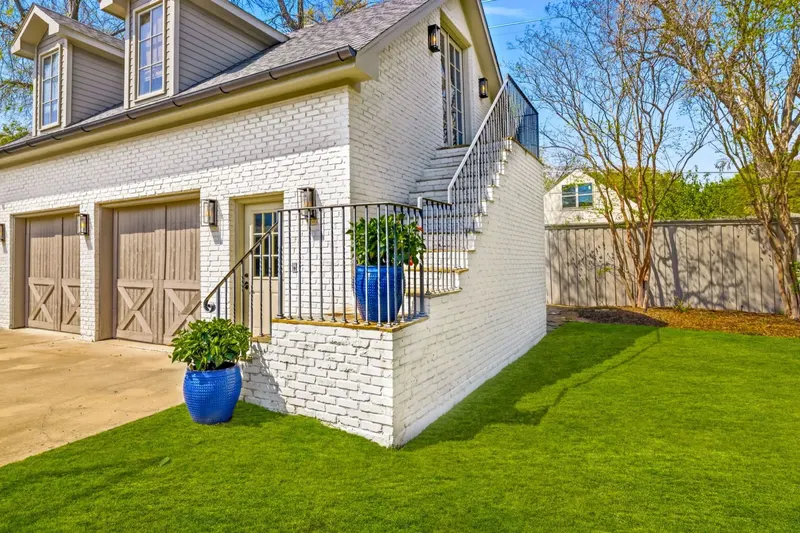
Honest answer: at the curb, most people cannot tell them apart. The differences show up close. Forged iron has subtle hammer marks, tapered ends and joinery with visible collars and rivets, the fingerprints of handwork. Ornamental steel is cleaner and more uniform, with pressed or cast finials and consistent picket spacing.
Whether that uniformity is a drawback depends on the setting. On a modern or transitional home, crisp consistency is exactly the point. On a 1920s Tudor in the Park Cities, a hand-forged entry gate set between masonry columns can be the detail that makes the whole facade, while the flanking fence runs in matching ornamental steel keep the budget sane. Mixing the two is a strategy we use often: spend the craft where hands and eyes actually touch it.
Strength, security and everyday durability
Solid forged pickets are undeniably strong, but tubular steel is no lightweight. Quality ornamental steel panels shrug off leaning ladders, thrown balls and the occasional backing car far better than wood, and the vertical-picket design offers little to climb. For security-focused properties we can specify heavier wall-thickness tubing, closer picket spacing and taller heights.
Where steel needs respect is at cut ends and field modifications. Any time a panel is trimmed on site, the cut exposes unprotected metal that must be cold-galvanized and touched up before assembly. This is an installation-quality issue, not a material flaw, and it is one of the first places we look when we are called to repair a rusting fence another contractor built.
Posts matter just as much. We set fence posts in concrete, and for gates and tall runs we use engineered footings that reach below the clay movement zone, because North Texas soil swells and shrinks enough to tilt a shallow-set post within a few seasons.
Maintenance and cost: the ownership picture
Ownership costs run in opposite directions. Ornamental steel asks for very little: a rinse when the pollen settles, a slow walk twice a year looking for chips, and prompt touch-up wherever the coating gets breached, a wire brush, rust-inhibiting primer and matched paint handle it in minutes. Painted iron asks for a schedule: scraping, priming and repainting on a recurring cycle, because the paint film is the only thing standing between the metal and Texas humidity.
On first cost, forged iron sits far above steel because you are buying hours of skilled handwork, heavier posts and beefier hinges along with the metal. What drives an ornamental steel quote is more ordinary: total footage, height, tubing gauge, picket spacing, the number of gates, and site conditions like slopes and tree roots that complicate post setting. Decorative upgrades, rings, finials, custom colors beyond standard black, add modestly.
The honest summary: steel costs less on day one and keeps costing less every year after. Iron is a craft purchase, and the right way to buy it is deliberately, for the pieces where craft is visible.
Which one should you choose?
For most Dallas homes, ornamental steel is the right call: it delivers the iron look, resists rust better than raw iron thanks to modern galvanized and powder-coat systems, and keeps long runs looking sharp for decades with minimal care. It is also the standard choice for pool enclosures, where open pickets preserve sightlines to the water while meeting barrier requirements.
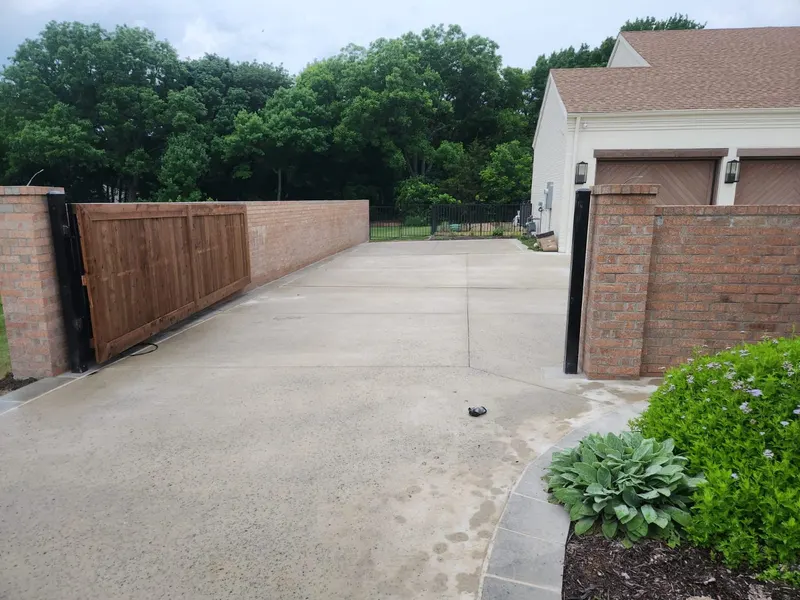
Choose hand-forged ironwork when the piece itself is the point, an estate entry gate, a courtyard feature, a railing that guests will touch every day. Many of our favorite projects pair a custom gate with steel perimeter fencing and gate automation, so the craftsmanship greets you and the practical material does the quiet work everywhere else.
If you are still weighing options, send us a photo of your home’s front elevation. Style suggestions cost nothing, quotes are free and usually back within 24 hours, and Jack walks every finished build personally, with Cinco supervising, before we call it done. Whichever material you land on, the fence should still look right when the trees around it have grown a decade taller.
How Park Cities Fence & Deck helps
Jack Johnson comes out himself, looks at your property and gives you a free written estimate with a timeline. Wood, iron and masonry are all built in-house, so the advice fits the property. Related services: iron / metal fencing, gates & gate motors. We work in Highland Park and Preston Hollow and across Dallas.
Questions people ask next
Is ornamental steel cheaper than wrought iron?
Substantially, yes. Ornamental steel panels are fabricated rather than hand-forged, so material and labor both come in far lower than true wrought iron. Exact numbers depend on height, picket spacing, gauge and gates, that is what the free quote is for, but for a full perimeter the difference is significant.
Will an ornamental steel fence rust?
Eventually any ferrous metal can rust, but a galvanized, powder-coated steel fence resists it very well. The vulnerable points are field cuts, weld joints and spots where the coating gets chipped. Touch those up promptly and a quality steel fence stays clean-looking for decades in North Texas.
Can you match an existing wrought iron fence with steel?
Usually, yes. Ornamental steel comes in many picket profiles, finial styles and rail configurations, and powder coating can match most colors. For historic hand-forged work with heavy scrolls, we can have a fabricator replicate key details so new sections blend with the old.
How tall can an iron-style fence be?
Common residential heights run 4 to 6 feet, with 8-foot options for security perimeters. Height limits vary by city, by zoning and by whether the fence faces a street, so we confirm local rules and handle any permit drawings as part of the project.
Does ornamental steel work for pool fencing?
It is the most popular choice. Vertical pickets with code-compliant spacing keep children out without blocking your view of the water, and powder-coated steel stands up to splash and sun. We build pool enclosures to meet local barrier requirements, including self-closing, self-latching gates.