Service · Dallas and the Park Cities

Pool fence installation in Dallas

A permanent pool barrier drawn to your city code before it is built, in a design that suits the house.

Call (214) 755-8100
5.0 from 18 Google reviews
What we build
Permanent pool barriers only
Gates
Self-closing and self-latching
Rules checked
For your city, before the build
First step
Free on-site visit with Jack

In short

Park Cities Fence & Deck installs permanent pool fences in Dallas, Highland Park, University Park and Preston Hollow: powder-coated ornamental steel and aluminum, cedar privacy fences, and brick or stone walls, each with self-closing, self-latching walk gates. Every barrier is drawn to the pool rule of your city before it is built. Owner Jack Johnson attends every consultation and build, and estimates are free and written.

You want two things from a pool fence: a barrier a small child cannot get over, under or through, and a backyard that still looks like yours. Park Cities Fence & Deck builds permanent pool barriers in powder-coated ornamental steel and aluminum, cedar, brick and stone, each one drawn to the rules of your city. Owner Jack Johnson, a former custom home builder in Preston Hollow, attends every consultation and every build.

The rules change at the city line. Highland Park asks for a barrier at least 48 inches high. University Park asks for 6 feet and will not count a driveway gate as part of the enclosure. Dallas reviews a pool barrier drawing that shows the height, the clearances and the gate latch. We read the current rule for your address before we draw anything, so the design is right before the first post is set.

The first step is a free on-site visit. Jack walks the whole enclosure with you, including the gates, the side yard and any door that opens toward the water, then sends a free written estimate. If your current fence is sound, he will tell you when new gates and a few repairs are enough. Our Dallas pool fence code guide explains what an inspector looks at.

What you get

  • Permanent barriers only: steel, aluminum, cedar, brick and stone that stay up all year
  • Self-closing, self-latching walk gates: hung to swing away from the pool and shut behind you
  • Drawn to your city rule: height, gaps and latch position confirmed before the build
  • Permit drawings prepared: site plan and barrier elevation ready for city review
  • Powder-coated metal: a baked-on finish made for sun and pool splash
  • One company for every side: iron, cedar and masonry built in-house on the same job

Find the right one

Which pool barrier fits your yard?

Pick the one closest to your situation. Jack confirms it on site.

Powder-coated ornamental steel fence
01

Ornamental steel or aluminum pool fence

Best for keeping the view of the water from the house

Slim vertical pickets with a powder-coated finish and rails placed so there is nothing to climb. You can see the pool from the kitchen window and see who is standing at the gate. Steel is the stiffer of the two, and aluminum will not rust. Know before choosing: picket spacing and rail placement are set by code, so some decorative patterns are ruled out.

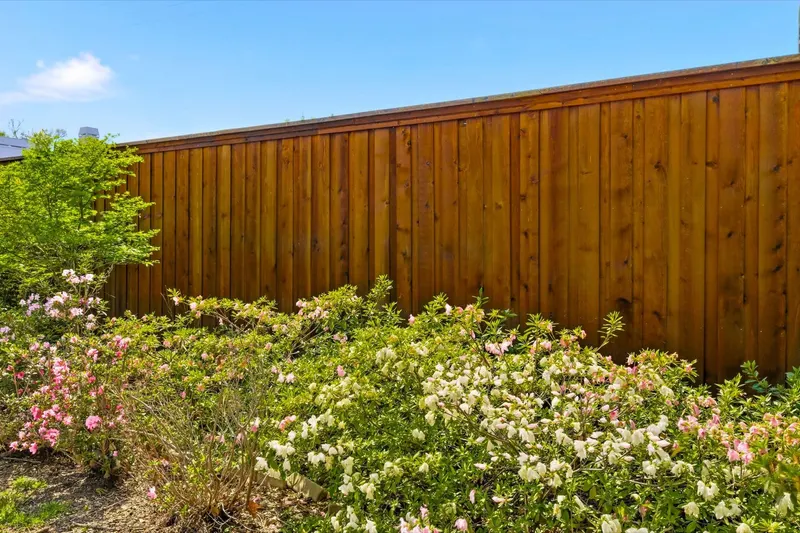
Stained cedar fence run in warm oak tone
02

Cedar privacy fence as the pool barrier

Best for a pool you want hidden from neighbors and the alley

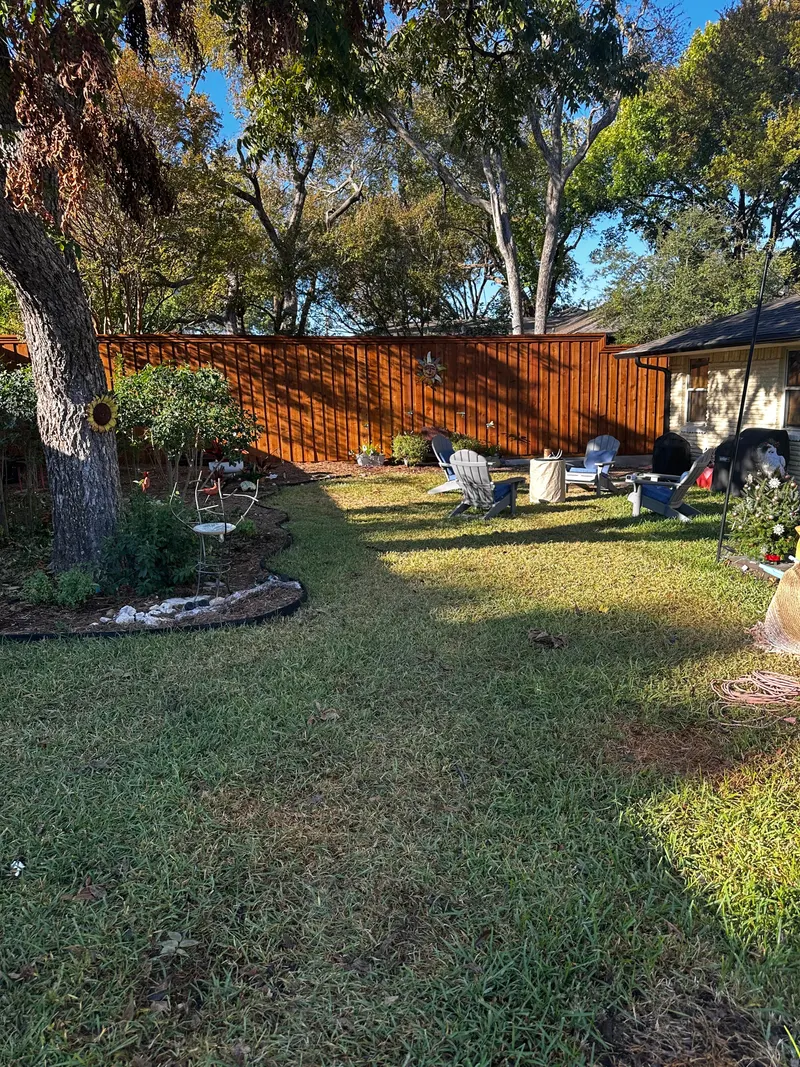
A board-on-board cedar fence on the property line can do both jobs, privacy and pool barrier. The smooth face goes outward and the rails go on the pool side, so nothing on the outside works as a ladder. Know before choosing: a solid fence also blocks your own view of the water from the yard beyond it, and horizontal board designs can give a child a foothold.

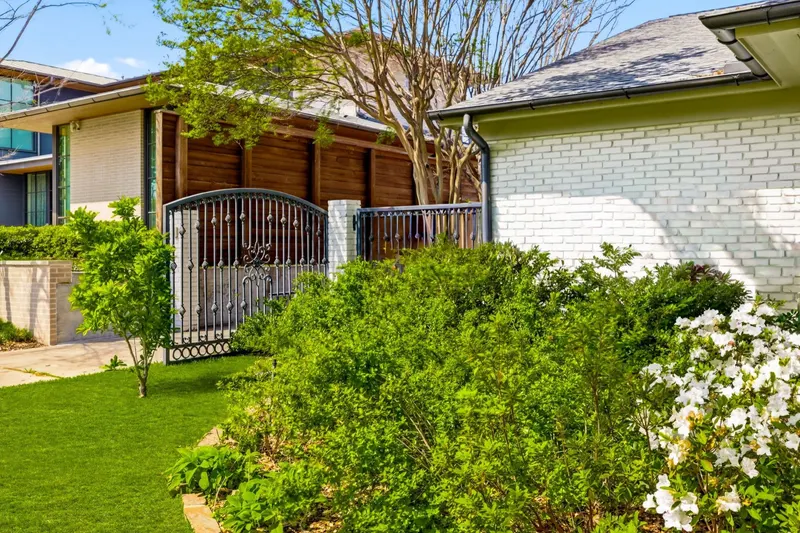
Masonry fence columns with infill panels
03

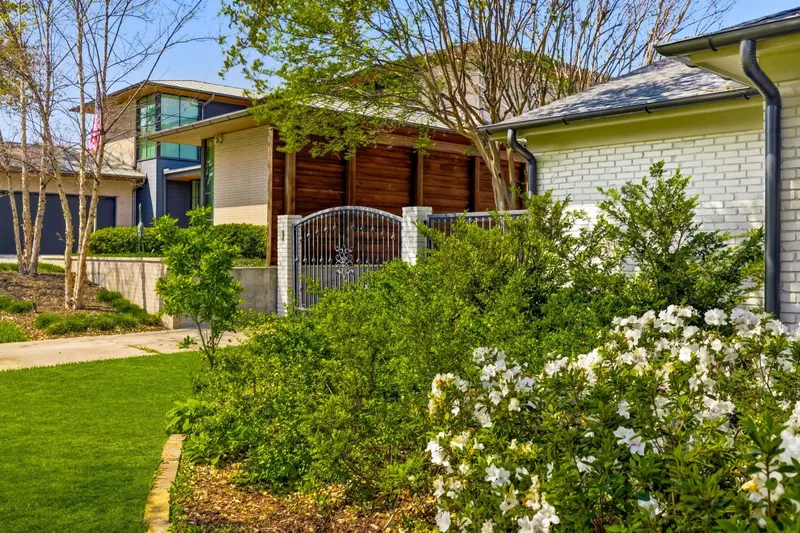
Masonry or stone wall with iron

Best for estate lots and homes with brick or stone to match

Brick or stone columns with iron panels between them, or a solid wall where privacy matters most. The outside face is kept free of ledges a child could use as a step. Know before choosing: Highland Park requires engineer-stamped plans for masonry walls, and masonry takes longer to build than iron or cedar.

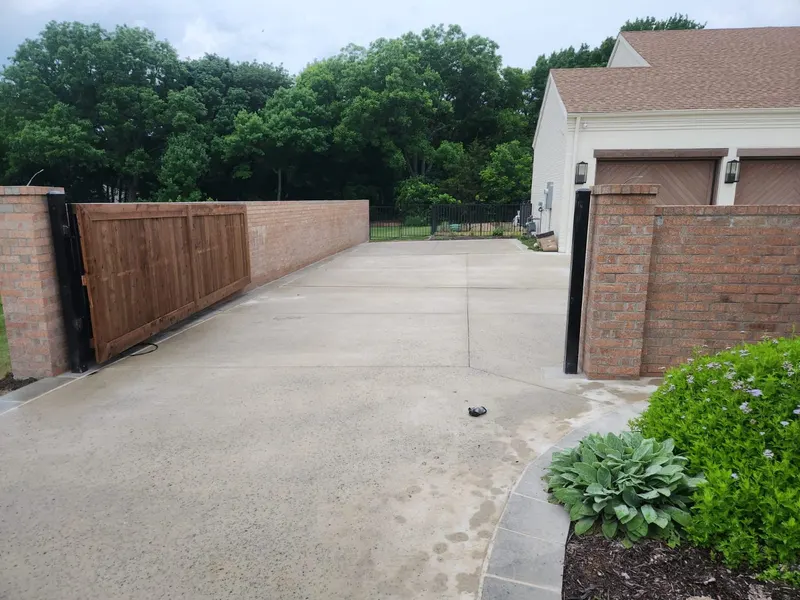
Estate gate installation
04

Upgrading an existing fence and gates

Best for a sound fence that fails on gates, gaps or latches

Many pool yards need corrections, not a new fence: walk gates rehung to swing away from the pool, self-closing hinges, latches moved to the right height, gaps under the fence closed, a weak section rebuilt. Jack checks the whole enclosure and lists what needs to change. Know before choosing: if the posts are loose or the fence is too short for your city, replacement is the honest answer.

Pool barrier options compared

OptionView of the poolPrivacyWhat to know first
Ornamental steel or aluminum pool fenceOpen from house and yardLowPicket spacing and rail placement are set by code
Cedar privacy fence as the pool barrierBlocked from outside the fenceFullRails go on the pool side, smooth face out
Masonry or stone wall with ironOpen through the iron panelsPartial to fullLonger build; engineered plans in Highland Park
Upgrading an existing fence and gatesUnchangedUnchangedOnly works when posts and height are already right

What this means for you: Barrier height, gap sizes and latch position depend on your city. We confirm them for your address before the build. General information, not legal advice.

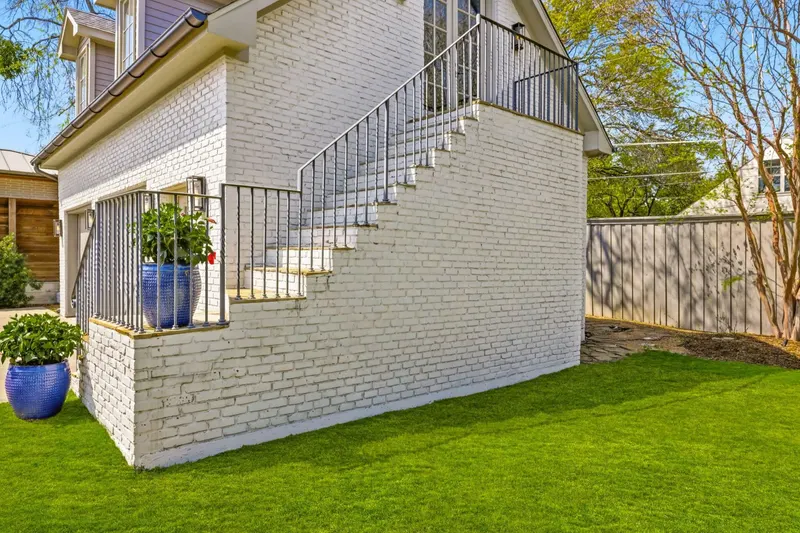
Iron fence line with clean picket spacing

Iron fence line with clean picket spacing

How it works

Four steps, one point of contact

  1. Walk the enclosure with JackA free visit. Every side of the pool yard is measured, each gate and house door is noted, and the grade outside the fence is checked. A free written estimate follows.
  2. Confirm the rule for your addressWe read the current pool barrier requirement of your city and any HOA rule, then set the height, picket spacing and latch position on the drawing.
  3. Permit, locate and buildThe permit and a free 811 utility locate are coordinated first. Posts go into concrete. Most iron and cedar barriers take one to three days once materials arrive, and masonry takes longer.
  4. Test every gate, then inspectJack opens each gate and lets go to see it close and latch, checks the gap under the fence along the whole run, and we schedule the city inspection where one is required.
“Great company, great people and great results. Recently had our fence redone and the whole process was seamless. Couldn’t be happier with the outcome and will definitely use for future home projects!!” Katherine Fox, Google review

Before you compare bids

What changes the price of a pool fence

No two properties price the same, so we do not publish a per-foot number. These are the things that move it.

The exact figure comes in a free written estimate after Jack has seen the property.

  1. Length and layoutA fence around the whole backyard is a longer run than a barrier set close around the pool deck, and corners and jogs add posts.
  2. MaterialAluminum, ornamental steel, cedar and masonry are priced differently. Masonry needs footings and, in some towns, engineered plans.
  3. Number of gatesEach walk gate needs its own posts, self-closing hinges and a latch set at the right height, so a gate costs more than the same width of fence.
  4. Required heightWhere your city asks for a taller enclosure, the posts are heavier and the panels use more material.
  5. Site and existing fenceSlopes, tree roots and tear-out of an old fence add labor. Correcting a sound fence usually costs less than replacing it.

Our work

Pool Fencing we have built

See all our work
Iron fence line with clean picket spacingOrnamental iron fence installationCedar gate with steel frameNew stained cedar privacy fence across a Dallas backyard

Common questions

Pool Fencing: what people ask first

How tall does a pool fence have to be in Dallas, Highland Park and University Park?

Highland Park requires at least 4 feet. University Park requires at least 6 feet around a pool, spa or hot tub. The City of Dallas checks the barrier height on the permit drawing against its adopted code, so we confirm the current figure before building. The federal CPSC guideline is 48 inches, measured on the side away from the pool. Our pool fence rules by city guide covers the suburbs too.

Which way should a pool gate swing, and how high is the latch?

Away from the pool. The CPSC guideline says walk gates should open outward and be self-closing and self-latching. When the latch release sits less than 54 inches from the bottom of the gate, it belongs on the pool side, at least 3 inches below the top. University Park asks for a self-latching device at least 54 inches above grade, or a gate that locks itself. Our gate building guide explains why the frame matters as much as the latch.

Does an HOA or apartment community pool follow different rules?

Yes. Texas Health and Safety Code Chapter 757 covers pools at multiunit rental complexes and pools owned, controlled or maintained by a property owners association. It requires an enclosure at least 48 inches high, prohibits chain link on new enclosures, and requires gates that self-close, self-latch and open outward. The owner must inspect the enclosure and gates at least once every 31 days. We build HOA and commercial pool enclosures to that chapter.

Is an iron fence or a wood fence safer around a pool?

Both can meet code. What matters is the height, the gap size, a face with nothing to climb and a gate that latches. Iron or aluminum pickets let you see the water from the house, which helps you watch it. A solid cedar fence hides the pool and, with the rails on the pool side, gives a child nothing to hold. Our guide to the safest pool fence for families compares them in detail.

What does the Dallas pool fence code require?

The City of Dallas issues a pool barrier permit and reviews drawings that show the barrier height, material, clearances, and the height and location of the gate latch release, built to the pool barrier requirements of its adopted code. The pool permit also asks for an alarm on doors and gates into the enclosure, or self-closing, self-latching doors and gates. We confirm the current dimensions with the city before building.

What are the pool fence requirements in Texas?

For a pool at a single-family home, the rule that is enforced comes from your city. The state pool enclosure law, Texas Health and Safety Code Chapter 757, applies only to pools at multiunit rental complexes and pools owned, controlled or maintained by a property owners association. It requires an enclosure at least 48 inches high that a 4-inch sphere cannot pass through, with self-closing, self-latching gates.

Can a boundary fence be a pool fence?

Often, yes. A fence on the property line can serve as the pool barrier when it meets every barrier rule your city sets: height, gap size, nothing to climb on the outside, and walk gates that close and latch by themselves. Highland Park lets the house form part of the enclosure. University Park does not count a driveway gate. We check each side during the free visit.

Do you install removable mesh or glass pool fences?

No. Park Cities Fence & Deck does not install removable mesh pool fencing or glass panel pool fencing. We build permanent barriers: powder-coated ornamental steel and aluminum, cedar privacy fences, and brick or stone walls, all with self-closing, self-latching walk gates. A permanent fence is in place every hour of the year, and it cannot be taken down on a busy afternoon and left that way.

Pool barrier rules in Dallas, Highland Park and University Park

Three neighbors, three rulebooks. The Town of Highland Park requires a pool to be completely surrounded by a fence or wall at least 4 feet high, with no opening larger than 4 inches and with self-closing, self-latching gates. The City of University Park requires a 6-foot enclosure that children cannot climb and that a 4-inch sphere cannot pass through, with single walk gates no wider than 48 inches. The City of Dallas reviews a pool barrier drawing against its adopted code and wants the gate latch height shown on the plans. Our Park Cities permit guide and our city-by-city pool fence guide set the suburbs beside them.

Where a city prints no dimension, the common benchmark is the U.S. Consumer Product Safety Commission guideline: the top of the barrier at least 48 inches above grade, measured on the side facing away from the pool, no more than 4 inches of clearance at the bottom, or 2 inches over grass or gravel, and no opening a 4-inch sphere can pass. The CPSC says its guidelines are not mandatory and that some places require 60 inches. Texas Health and Safety Code Chapter 757 sets similar numbers, but it applies only to pools at multiunit rental complexes and pools run by property owners associations. For an HOA or apartment community pool we build to that chapter. This is general information, not legal advice.

Building a pool fence that holds up in North Texas

Dallas clay moves. It swells in a wet spring and shrinks through August, and when the ground drops, the gap under a pool fence grows. A barrier that measured right in April can be out of tolerance by late summer. We set posts in concrete, keep the bottom rail low and check the gap along the whole run, not only at the posts. Sun and pool splash are the other test. Powder coating is baked onto the metal, and our guide to keeping an iron fence rust-free covers the simple care that keeps it sound. Gates get the most attention, because a gate that drags on the ground stops closing by itself.

The right barrier also depends on the lot. On the deep lots of Preston Hollow, iron between brick or stone columns keeps the long view across the lawn. In University Park, where many homes have a rear-entry garage off the alley, the driveway has to be fenced off from the pool with its own barrier and walk gate. In Lakewood and North Dallas a cedar privacy fence on the alley often serves as the barrier, with the rails turned to the pool side. Jack looks at the house, the trees and the way your family walks to the water before he recommends one.

Popular in: DallasHighland ParkUniversity ParkPreston Hollow

Related services: Iron / Metal FencingCustom GatesPrivacy FencingDeck Installation

Sources: U.S. Consumer Product Safety Commission: Safety Barrier Guidelines for Residential Pools (Publication 362) · City of Dallas: Fence Permit, Pool Barrier and Retaining Wall Checklist · City of Dallas: Swimming Pool and Spa Permit Required Documents · Texas Health and Safety Code, Chapter 757: Pool Yard Enclosures · Town of Highland Park: Fence Permit Packet (PDF) · City of University Park: Fence Regulations (PDF). General information, not legal advice.

Get a free quote for pool fencing

Jack comes out himself and you get a written estimate with a timeline.

Call (214) 755-8100
Call