 01
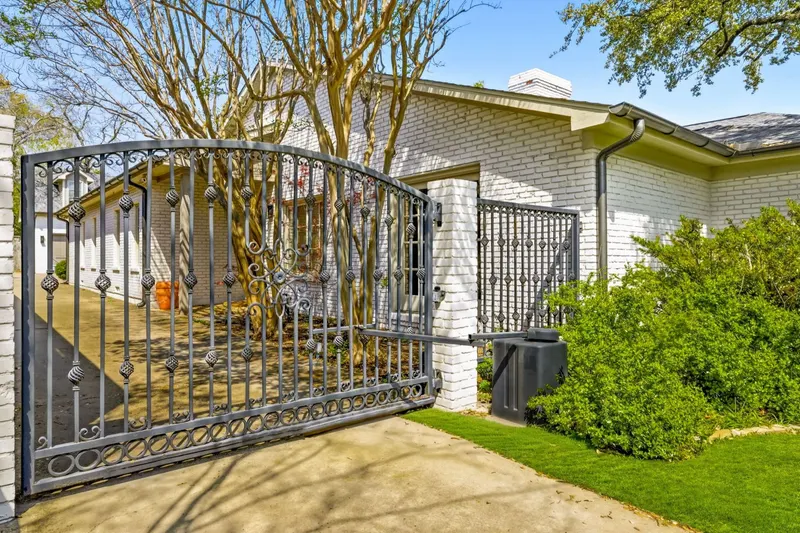
Open iron fence for the front yard
Powder-coated ornamental steel at four feet or under and no more than 50% density, the only kind of front-yard fence Fort Worth allows without a special exception.

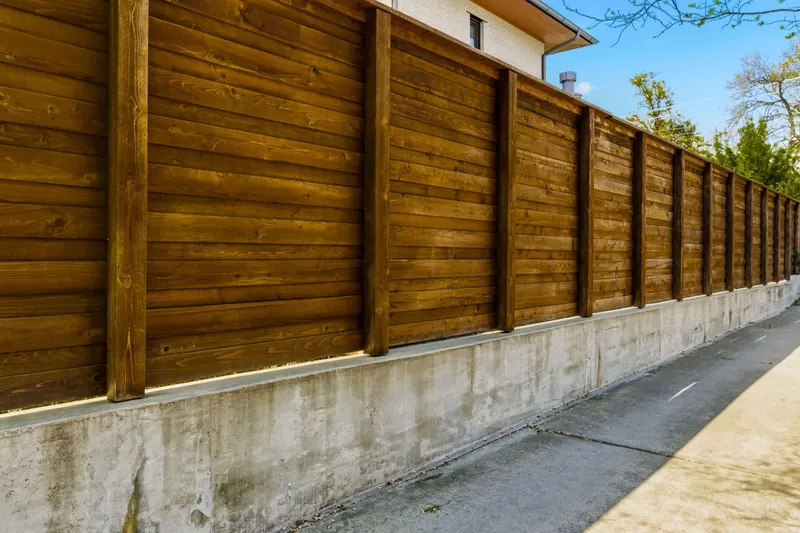
Service area · Fort Worth, Texas
Fort Worth homeowners need a fence that suits the block, whether that is a bungalow street in a historic district or a newer HOA community on the north side. Park Cities Fence & Deck builds wood, iron and masonry in-house and checks zoning, historic review and utilities before digging.
5.0 from 18 Google reviewsMost requested in Fort Worth
Choose one to start a request for that job. Jack comes out himself.
01Powder-coated ornamental steel at four feet or under and no more than 50% density, the only kind of front-yard fence Fort Worth allows without a special exception.
 02
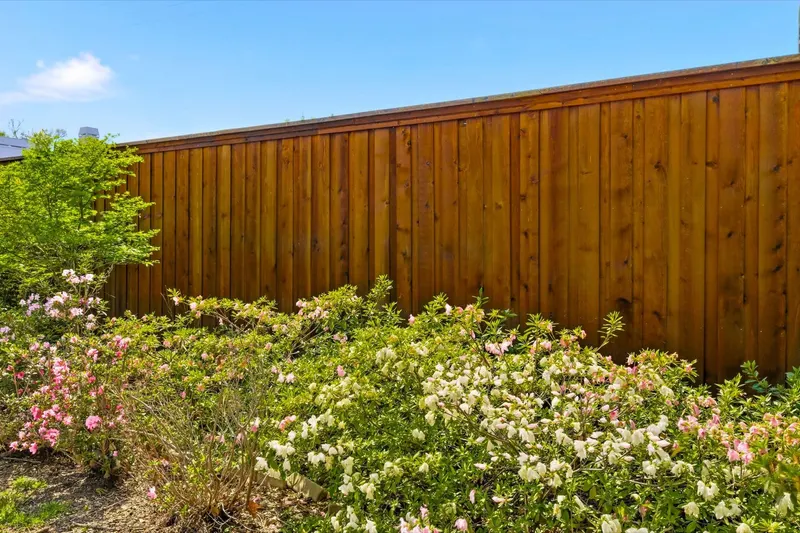
Kiln-dried cedar on posts set in concrete, built up to the 8 foot city limit behind the front building line, with the finished side turned to the road on arterial streets.
 03
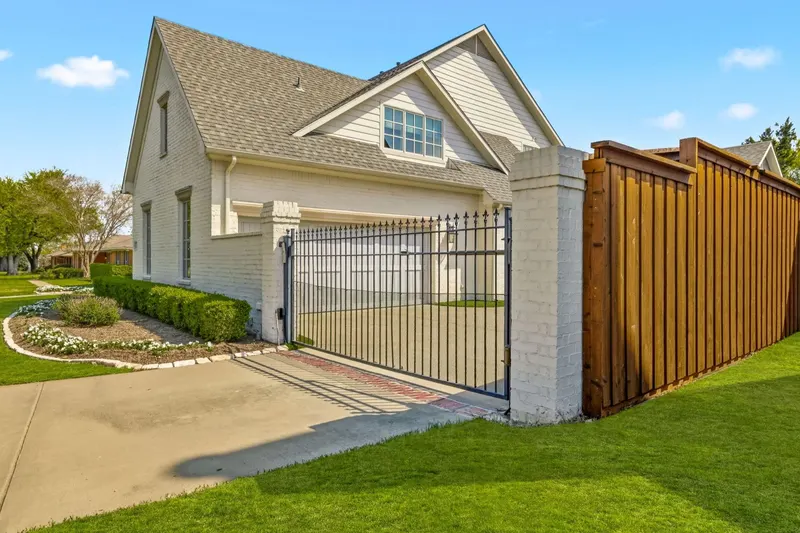
Brick or stone columns on engineered footings with an automated iron gate between them, laid out to respect the front yard and corner visibility rules. Motors include safety photo-eyes and battery backup.
Local knowledge
Fort Worth has more than a dozen local historic districts, among them Fairmount, Mistletoe Heights, Elizabeth Boulevard in Ryan Place and the Stockyards. Inside one, a fence needs a Certificate of Appropriateness from the city before a building permit, so the design has to suit the street as well as the yard. We draw low, open iron fences for the front and explain the paperwork in our permit guide.
The city front-yard rule shapes every older block in Arlington Heights, Monticello, Berkeley Place and Tanglewood: nothing solid in front of the house, and open fencing no taller than four feet. Corner lots add a projected front yard along the side street, which catches many owners by surprise. We set the cedar privacy fence back to where the zoning allows it, and the gallery shows how wood and open iron meet at that line.
On larger lots in Ridglea Hills and in gated communities such as Mira Vista, the fence is often part of an entrance. Fort Worth lets front-yard fence designs include columns up to five feet six inches, which suits brick and stone columns with open iron between them. We build the masonry, the iron and the automatic gate with our own crews, so one company answers for the whole entry.
In far north Fort Worth, HOA communities such as Heritage back onto arterial streets, and the city requires the finished side of a fence along an arterial to face the road. Ground conditions change across the city, from deep clay to shallow limestone, and that changes how posts are set. Spring wind and hail do the rest, so our guide to repair versus replacement is the place to start after a storm.
FairmountMistletoe HeightsRyan PlaceArlington HeightsMonticelloBerkeley PlaceTanglewoodRidglea HillsMira VistaHeritage
Rules at a glance
The Board of Adjustment may grant a special exception for a solid front-yard fence up to 4 feet or an open one up to 5 feet. A fence placed in an easement with underground utilities requires a signed release to the city. The city pages we read do not cover HOA rules, so we check your deed restrictions separately. Texas law requires an 811 utility locate before digging deeper than 16 inches; we request it for you at no charge.
We confirm the current rule for your address and handle the permit paperwork before any post goes in the ground.
| Topic | What the City of Fort Worth requires |
|---|---|
| Building permit | Required for solid fences taller than 7 feet and for open fences taller than 8 feet. |
| Front yard | One-family and two-family homes may have an open-design fence up to 4 feet tall in wrought iron, tubular steel, picket or a similar material, no more than 50% in density. Solid fences and chain link are not allowed in the front yard or projected front yard. Columns may reach 5 feet 6 inches. |
| Side and rear yards | No fence taller than 8 feet around residential property behind the front building setback line. Height is measured from the highest adjacent grade to the highest point of the fence or its gates. |
| Corner lots | No fence over 2 feet tall inside the triangle measured 20 feet in each direction from the property corner at a street intersection. A corner lot may also have a projected front yard along the side street, where the front yard rules apply. |
| Finished side | A fence built next to a freeway or an arterial street must have its finished side facing the right-of-way. For other lot lines: confirmed with the city before we build. |
| Historic districts | Exterior work in a local historic district, fences included, needs a Certificate of Appropriateness before a building permit. |
| Pool barriers | A swimming pool requires a building permit. Barrier details are confirmed with the city before we build. |
Sources: City of Fort Worth: Residential Permitting (fences and retaining walls) · City of Fort Worth Zoning Ordinance, Section 5.305: Fences · City of Fort Worth: Historic Preservation (Certificate of Appropriateness) · Railroad Commission of Texas: Pipeline Damage Prevention (call 811). General information, not legal advice.
How we work here
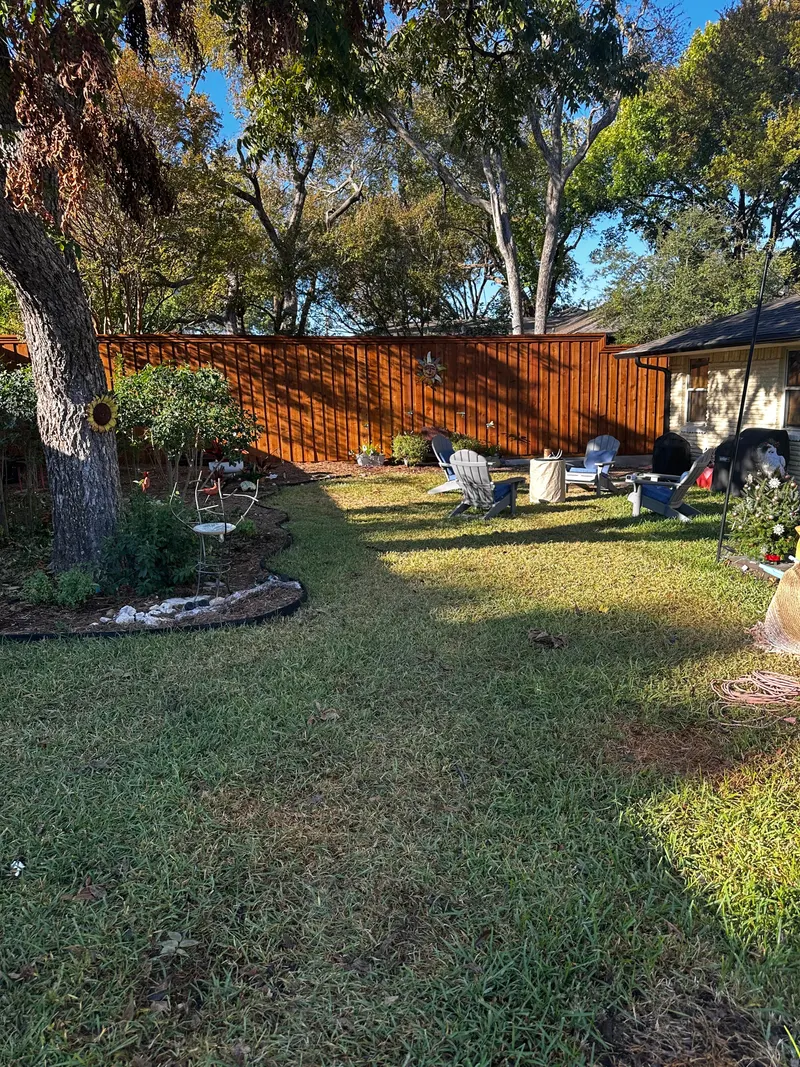
Fort Worth spans tight historic lots and wide-open acreage, and the right fence differs for each. We build cedar privacy fences for neighborhoods like Arlington Heights and Tanglewood, and longer runs of pipe-and-cedar or ranch-style fencing further west, where property lines are measured in hundreds of feet rather than dozens.
Wind exposure matters more on the west side of the metroplex, we spec deeper posts and tighter spacing so long runs stay straight through spring storms. Steel post options and kiln-dried cedar keep panels true long after a builder-grade fence would have started leaning.
Historic neighborhoods near TCU, Fairmount and the Near Southside come with their own expectations, and sometimes their own review boards. We build styles that fit older architecture, and when a fence has taken storm damage, our repair crews can often save the run instead of replacing it.
“Great company, great people and great results. Recently had our fence redone and the whole process was seamless. Couldn’t be happier with the outcome and will definitely use for future home projects!!” Katherine Fox, Google review
Free on-site consultation with Jack and a written estimate. No obligation.
Common questions
Eight feet. The Fort Worth zoning ordinance allows no fence over 8 feet around residential property behind the front building setback line, measured from the highest adjacent grade. A building permit is required once a solid fence is taller than 7 feet or an open fence is taller than 8 feet. Historic districts and HOA communities may set lower limits, which we check first.
Not without a special exception. Fort Worth allows only an open-design fence in the front yard of a one-family or two-family home: wrought iron, tubular steel, picket or similar, up to 4 feet tall and no more than 50% in density. Solid fences and chain link are not allowed there. The Board of Adjustment can approve a solid front-yard fence up to 4 feet.
Yes. The City of Fort Worth requires a Certificate of Appropriateness for exterior work in a local historic district before a building permit, and fences are on its list. Districts include Fairmount, Mistletoe Heights, Elizabeth Boulevard, Morningside and the Stockyards. Staff can approve most requests administratively. We prepare the drawing and material description the application needs.
It is a side yard the city treats like a front yard. When a Fort Worth corner lot sits next to a lot that faces the side street, the corner lot must keep a yard along that street equal to the neighbor front yard. Front-yard fence rules apply there, so a tall solid fence cannot run out to the sidewalk. Fences near the intersection must also stay under 2 feet.
Toward the road, when the fence is next to a freeway or an arterial street on the city thoroughfare plan. The Fort Worth zoning ordinance says the finished side of those fences must face the right-of-way. For a fence between two back yards the ordinance does not set a side, so we confirm with the city and agree on it with both neighbors before building.
Yes. We serve Fort Worth from our Dallas office and build wood, iron and masonry with our own crews. Jack Johnson, the owner and a former custom home builder, attends every consultation and build and walks the finished job. Estimates are free and in writing, we are insured, and zoning, historic review and the 811 locate are coordinated before any digging starts.
It depends on height, placement and whether the fence encloses a pool, and historic and design districts add their own review. We check the requirements for your specific address, prepare any drawings, and handle permits and 811 utility locates so you do not have to chase paperwork.
Depth and spacing. Long, exposed runs on the west side need posts set deeper in concrete, closer together, with rails sized for the span, that is the difference between a fence that shrugs off a spring storm and one that lies down in it. Steel posts add another decade of straightness on top.
Yes. Pipe-and-cedar, ranch rail and long cedar privacy runs with automated entry gates are regular work for us west and northwest of the city. We plan gate placement around trailers and turning radii, and we keep long runs straight with tighter post spacing than a typical backyard fence.
Same as everywhere we work: phones answered 24/7 and free quotes usually within 24 hours. Most wood fences are built in one to three days once materials and any approvals are in hand, and storm-damage repairs get priority scheduling after major weather.
Fort Worth sits on the windy edge of the metroplex, and spring storm season proves it every year. The failures we see follow a pattern: shallow posts in swollen clay, spans stretched too wide to save lumber, and green pickets that cupped their first summer. Our answer is unglamorous and effective, kiln-dried cedar, posts set in concrete below the surface clay movement, galvanized fasteners, and spans sized to the wind the site actually gets. On exposed west-side runs we tighten post spacing further, because a fence is only as straight as its most exposed section.
The neighborhoods tell you what to build. Tanglewood, Arlington Heights and the streets around TCU favor classic cedar privacy with cap-and-trim detail that suits established homes and mature trees. Fairmount and the Near Southside lean historic, where a modern panel fence would look wrong and a picket or simplified board fence sits comfortably. Further west and toward Benbrook and Aledo, lots open up and the work shifts to ranch rail, pipe-and-cedar, and automated driveway gates hung on engineered footings that reach below the clay movement zone.
After a storm rolls through, the first question is always repair or replace. An honest answer depends on the posts: if they are sound, new pickets and rails can buy years; if the posts have snapped or heaved, patching is throwing money at a fence that is already gone. We give you that assessment straight during the free quote, usually within 24 hours, and our gate motors carry safety photo-eyes and battery backup, so an outage never traps a car on the wrong side of the drive.
Guides
Safety first, then honest triage: what to check, what to photograph, and why spring storms and clay soil flatten DFW fences.
Read the guide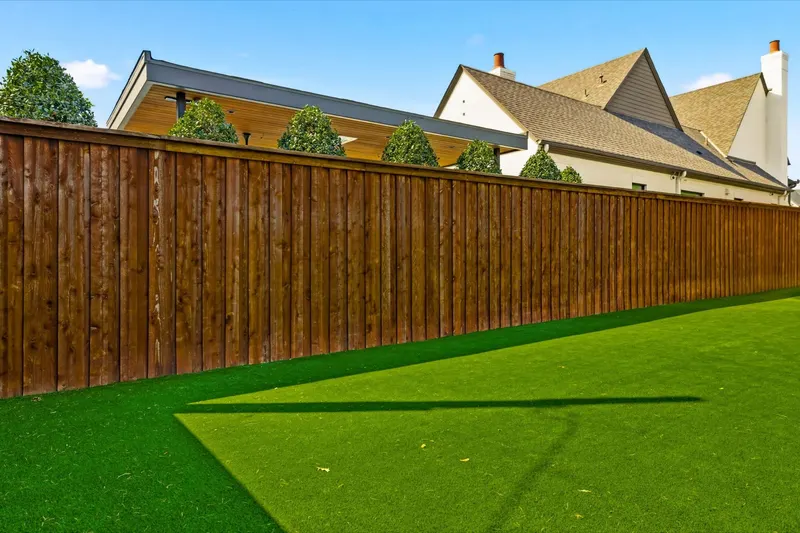
Sun, clay soil and storms are hard on wood. Here’s a realistic cedar lifespan in DFW, and how to get the long end of it.
Read the guide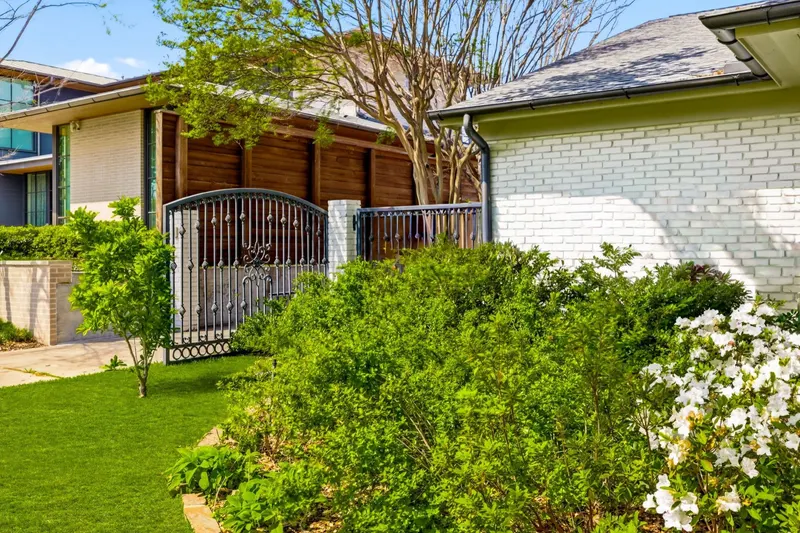
Bids that look identical rarely are. The specification questions that separate a 20-year fence from a 7-year fence.
Read the guideCall (214) 755-8100 or send a short request online.