Service · Dallas and the Park Cities

Fence staining in Dallas: power wash and restain

Every 3–4 years, cedar needs its seal renewed, we strip the gray, restore the color and reset the clock on sun damage.

Call (214) 755-8100
5.0 from 18 Google reviews
How often
Every 2 to 4 years
Sign it is due
Water stops beading
Surfaces
Fences, decks and pergolas
Color
Matched to home and HOA

In short

Park Cities Fence & Deck power washes and restains cedar fences, decks and pergolas in Dallas, Highland Park, University Park and Preston Hollow. The crew washes off dirt, mildew and graying, then applies a protective stain or sealant in a color matched to your home and HOA requirements. Owner Jack Johnson looks at the wood first and says plainly if repairs should come before stain.

Every 3–4 years, cedar needs its seal renewed. Our wash-and-restain service strips weathering, restores the wood’s color and re-seals it against UV and moisture. The transformation is dramatic, gray, tired cedar comes back to the warm tone it had the week it was built.

It’s the single best-value fence service we offer: a fraction of replacement cost that resets the clock on sun damage. Sealed cedar sheds rain and blocks the UV that breaks wood down; unsealed cedar absorbs both, and that’s the difference between a fence that lasts 15–20 years and one that’s brittle at ten.

We wash and stain fences, decks and pergolas in one visit, using correct pressure and premium stains matched to your home and HOA. Request a free quote, usually within 24 hours, and if you’re not sure whether your fence is due, send us a photo and we’ll tell you straight.

What you get

  • Correct pressure & tips: clean wood without furring the surface
  • Premium stains: colors matched to your home and HOA
  • Fence & deck surfaces: one visit for the whole backyard
  • 3–4 year cycle: we’ll remind you when it’s time
  • Plant & property protection: landscaping covered, overspray controlled, hardware masked
  • Minor repairs first: loose pickets and hardware fixed before the stain goes on

Find the right one

Which wash and stain job do you need?

Pick the one closest to your situation. Jack confirms it on site.

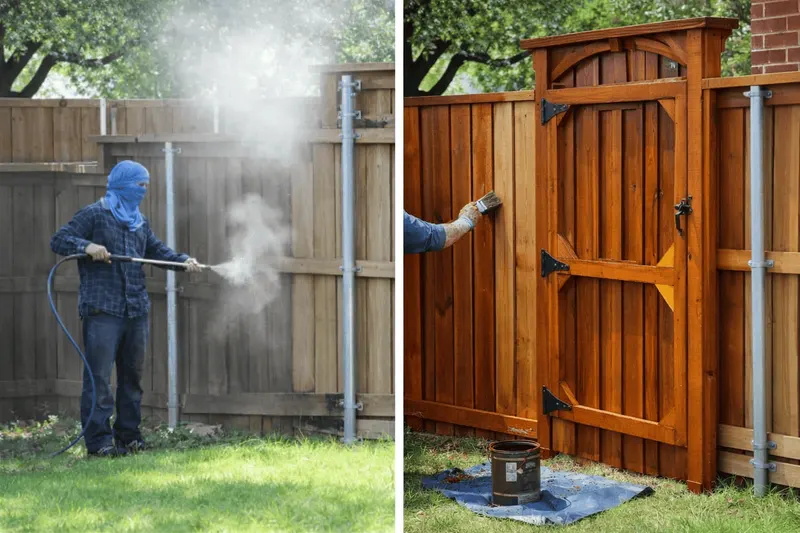
Fence restoration in progress, washed and restained half
01

Wash and restain a cedar fence

Best for a sound fence that has faded or turned gray

We power wash off the dirt, mildew and gray surface layer, let the wood dry, then apply protective stain in a color matched to your home. Know before choosing: the fence has to be solid. Stain protects wood; it does not fix loose posts.

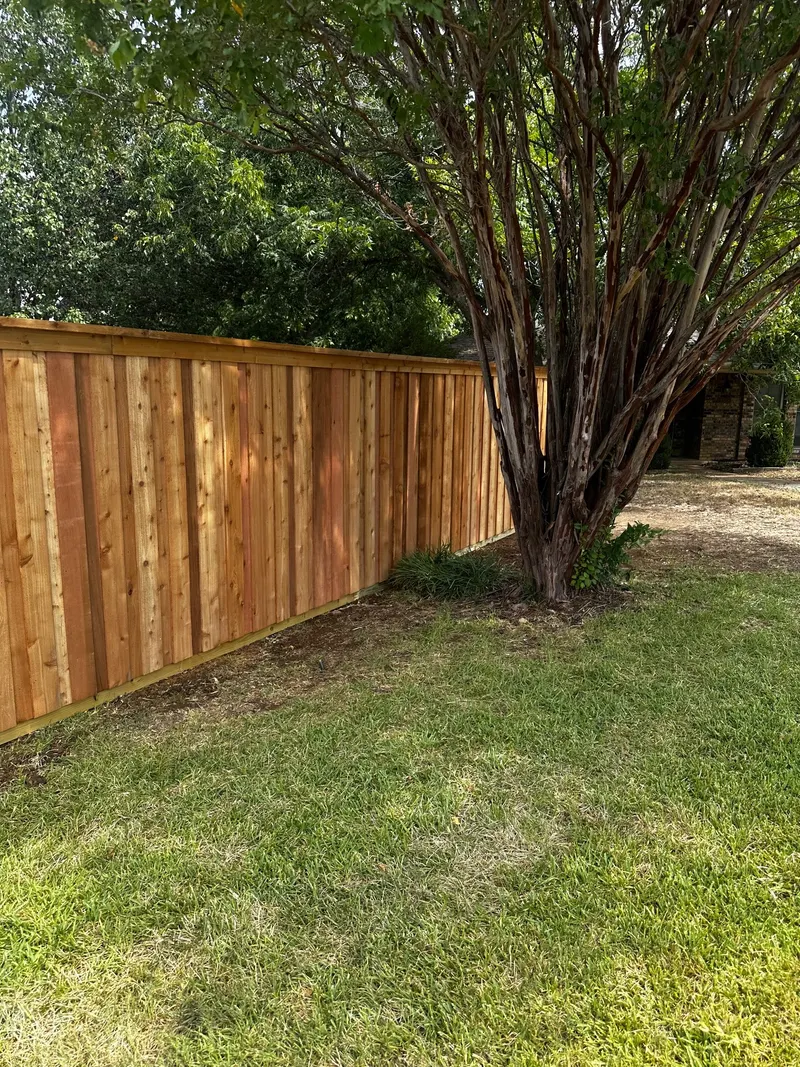
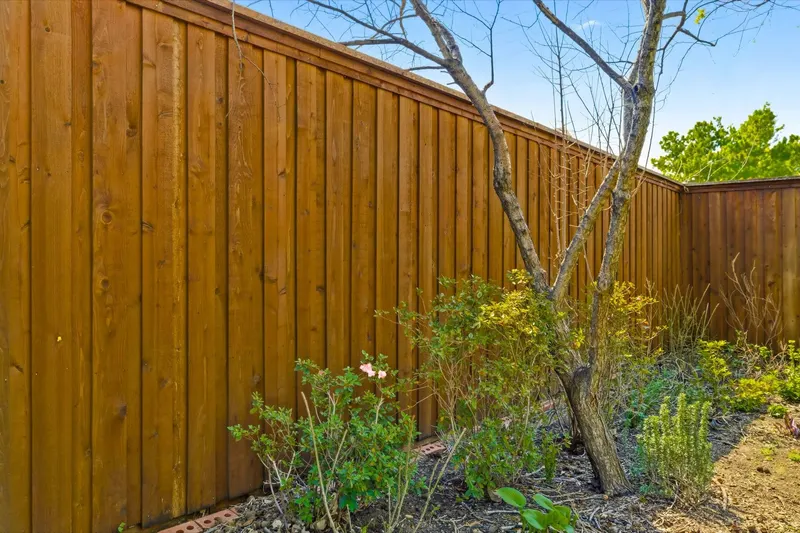
Fresh cedar privacy fence along a Dallas lawn
02

First stain on a new cedar fence

Best for a fence built recently that has never been sealed

New cedar should cure before it takes its first stain, so the finish soaks in and lasts. We check that the wood is ready, then stain it before sun and rain start to gray it. Know before choosing: confirm the color with your HOA first.

Cedar outdoor living build
03

Deck or pergola wash and seal

Best for outdoor wood that gets foot traffic or full sun

Decks and pergolas are washed and sealed the same careful way as fences. Deck boards take foot traffic, so they may call for a different product than the fence. Know before choosing: doing the whole yard in one visit keeps the colors matched.

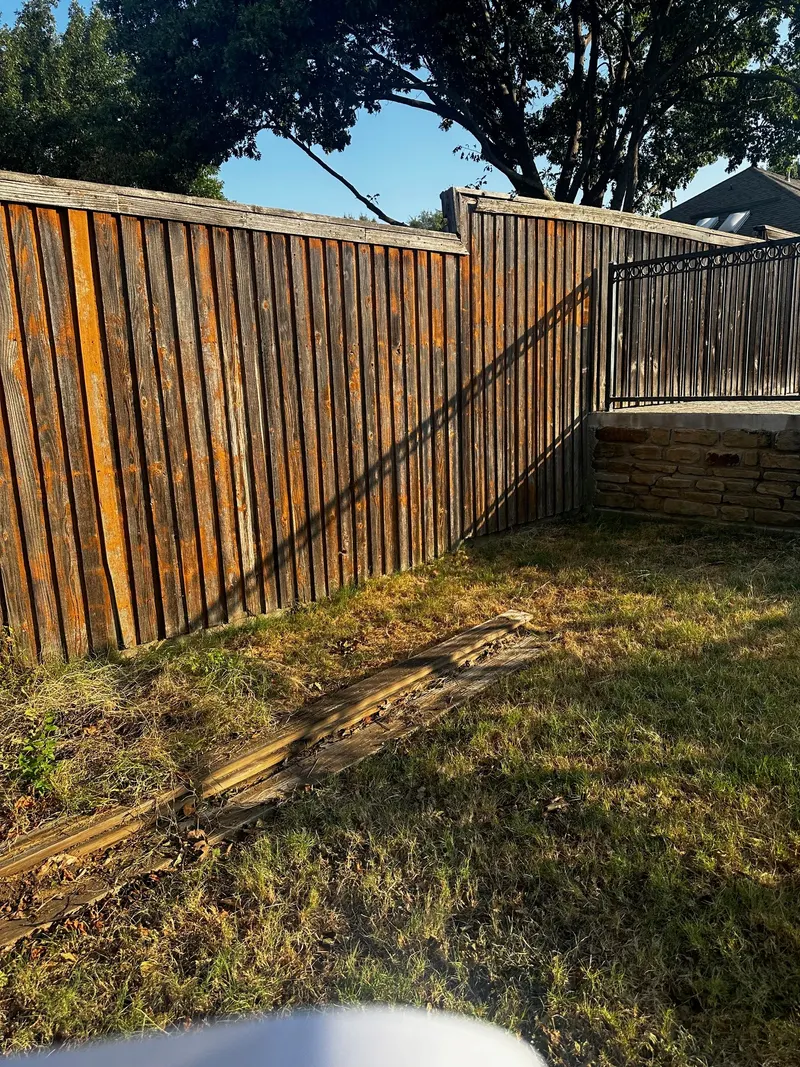
A weathered fence before replacement
04

Repair first, then stain

Best for a fence with loose posts or bad boards and faded color

Leaning posts, rotted pickets and loose rails are fixed first, then the full run is washed and stained so new and old boards blend. Know before choosing: if the rot is widespread, Jack will say plainly that staining is not worth the money.

Wash and stain options compared

OptionWood conditionWhat we doKnow first
Wash and restain a cedar fenceSolid, faded or grayWash, dry, stainThe fence must be structurally sound
First stain on a new cedar fenceNew and unsealedCheck it has cured, then stainConfirm the color with your HOA
Deck or pergola wash and sealSolid, worn or weatheredWash, dry, seal or stainDecks may need a different product
Repair first, then stainLoose posts or some bad boardsRepair, then wash and stain the full runWidespread rot means replacement

What this means for you: Not sure which one applies? Send a photo of the fence and Jack will tell you.

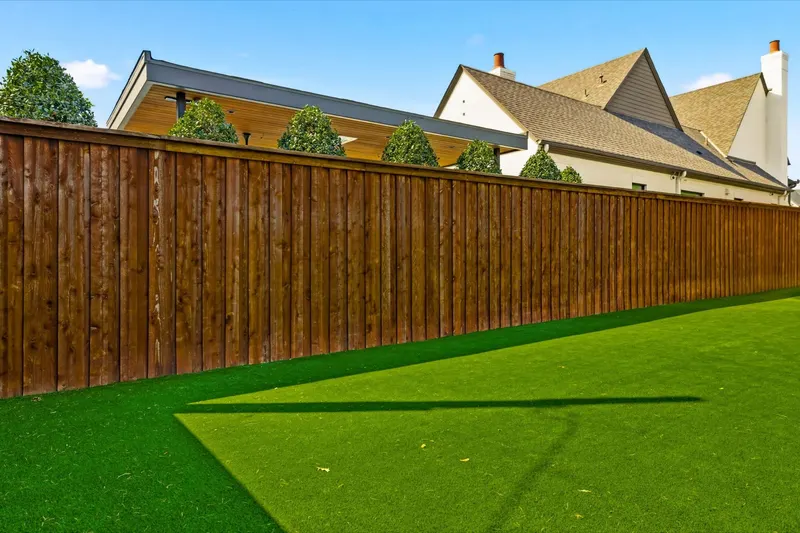
Cedar fence after stain and seal

Cedar fence after stain and seal

How it works

Four steps, one point of contact

  1. Free quote & color matchWe assess the wood’s condition, recommend stain type and color, and quote the job, usually within 24 hours.
  2. Prep & washPlants and hardware are protected, minor repairs handled, then the fence is washed at the correct pressure to lift gray without furring the wood.
  3. Dry & stainThe wood dries fully, then premium stain is applied evenly for uniform color and deep penetration.
  4. Final walkthroughJack inspects the finished run with you, coverage, color and cleanup, before we call it done.
“We had a great experience working with this company. Couldn’t be happier with how everything turned out! The team had great communication, fair pricing, and delivered an amazing final result. You can tell they take pride in their work.” Chloe Eubank, Google review

Before you compare bids

What changes the price of a wash and restain

No two properties price the same, so we do not publish a per-foot number. These are the things that move it.

The exact figure comes in a free written estimate after Jack has seen the property.

  1. Size of the jobThe length and height of the fence, and whether one side or both are stained, set most of the price.
  2. Condition of the woodHeavy mildew and years of graying take more washing than a fence that has been kept on a regular cycle.
  3. Repairs before stainLoose pickets, soft rails and leaning posts are fixed before any stain goes on, and that work is priced with the job.
  4. Stain type and colorThe product and color you choose, including any shade your HOA requires, affect the material cost and how the finish is applied.
  5. Decks, pergolas and accessAdding a deck or pergola raises the total but saves a second visit. Dense planting or tight side yards add preparation time.

Our work

Powerwash & Restain we have built

See all our work
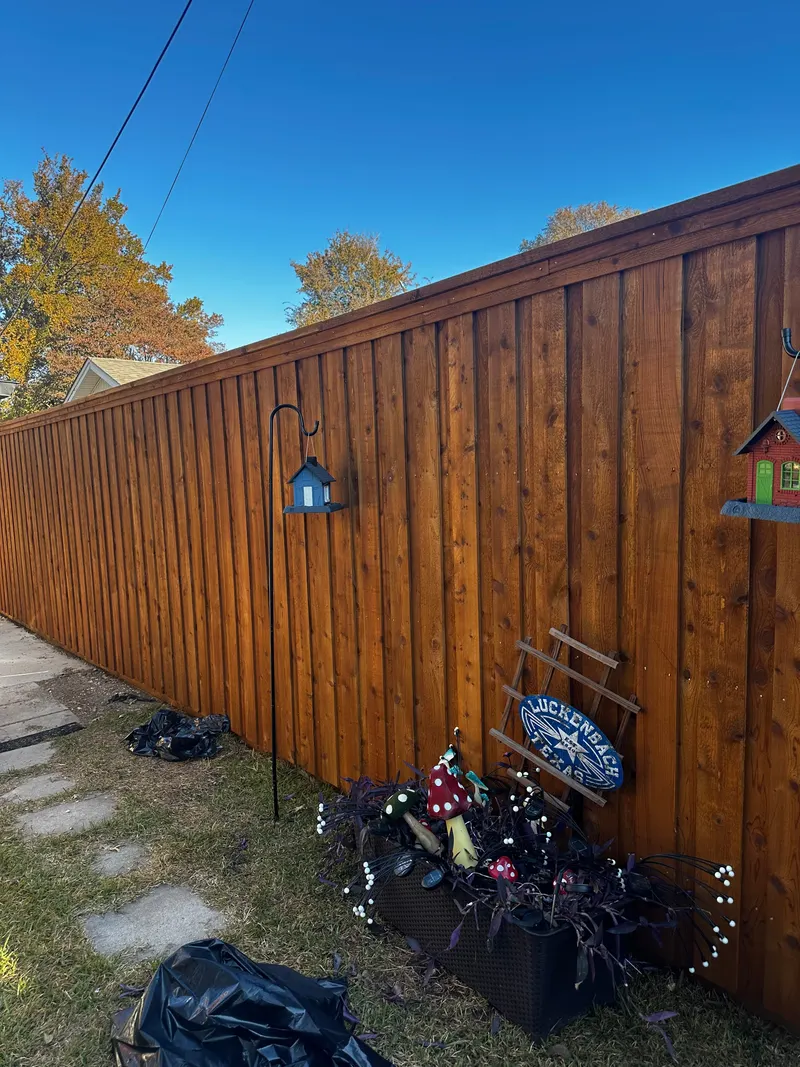
Freshly stained cedar fenceStained cedar fence run in warm oak toneCedar fence after stain and sealNew capped board-on-board cedar fence along a Dallas alley

Common questions

Powerwash & Restain: what people ask first

How soon can a new cedar fence be stained?

Once the wood has cured. Fresh cedar holds moisture, and stain put on too early cannot soak in properly. How long that takes depends on the lumber and the weather, so we check the wood itself instead of counting days. Do not wait long past that point: unprotected cedar starts to gray in the Texas sun. Our cedar stain guide covers colors and timing.

Do I need HOA approval for my fence stain color?

In many Dallas-area neighborhoods, yes. Some HOAs list approved stain tones, and the rules differ from one neighborhood to the next. Check yours before choosing, or tell us which HOA you are in and we will match the stain to its requirements. In University Park, Highland Park and Preston Hollow we also match the color to the home itself.

Is it worth restaining an old fence, or should I replace it?

If the posts are firm and the boards are solid, restaining is worth it: washing removes the gray layer and stain protects the wood again. Cedar lasts 15 to 20 years in North Texas when it is kept stained. If posts lean or boards are soft, repair comes first. If rot is widespread, Jack will tell you plainly that the money belongs in a new fence. See our repair or replace guide.

What weather do you need to wash and stain a fence?

Dry weather. The wood has to dry fully after washing before stain goes on, and fresh stain needs time before rain reaches it, so we schedule around the forecast and move the date if rain is coming. Sprinklers matter too: turn off any zones that hit the fence until the stain has dried. We confirm the timing with you before the crew arrives.

How often should a cedar fence be restained in Dallas?

Every 3–4 years. Texas sun breaks down stain faster than milder climates, and once the seal fails, gray weathering and moisture damage accelerate. The visual cues: color fading noticeably, water soaking in instead of beading, and gray patches on the sun-facing side. We’ll remind you when your cycle comes due.

Will powerwashing damage my fence?

Bad powerwashing does, too much pressure at close range tears up the soft grain and leaves cedar fuzzy, an effect called furring. We use the correct pressure and fan tips for cedar, working at the right distance to lift gray fibers and grime without gouging the wood. The surface comes out clean and smooth, ready to take stain evenly.

My fence is already gray — is it too late to restore it?

Almost never. Gray is a thin surface layer of UV-damaged fibers; washing strips it and reveals sound, warm-toned cedar underneath. As long as the wood is structurally solid, even a fence that’s been bare for years usually comes back beautifully. If we find rot or structural issues during the assessment, we’ll quote the repair honestly first.

What stain colors can I choose?

Semi-transparent stains in cedar, redwood and brown tones are the most popular, they show the grain while restoring rich color. Many HOAs in the Park Cities, Plano and Frisco specify approved tones, and we’ll match ours to your HOA’s list. We can sample a color on a hidden section before committing to the full run.

Can you do the deck and pergola at the same time?

Yes, and we recommend it, one visit covers fence, deck and pergola, the colors coordinate across the whole backyard, and everything lands on the same 3–4 year cycle afterward. Deck surfaces take more foot traffic, so we’ll advise if yours needs a different product than the fence.

What Texas sun does to cedar, and how stain stops it

Cedar grays because UV light destroys lignin, the natural polymer that binds wood fibers and gives cedar its color. In the Dallas sun that process starts within months on unsealed wood. Graying itself is cosmetic, but it’s the visible sign of a deeper problem: with the seal gone, the boards soak up every rain and bake dry days later. That wet-dry cycling is what actually ages a fence, cupped boards, opened checks, loosened fasteners and, eventually, rot at the rails. A penetrating stain interrupts both attacks at once: pigments absorb UV before it reaches the lignin, and resins make the wood shed water instead of drinking it.

This is why the 3–4 year cycle matters more than any other maintenance decision a cedar-fence owner makes. Kept sealed, quality cedar reaches its full 15–20 year lifespan in North Texas. Left bare, the same fence can be brittle and cupped years earlier, and at that point the money goes to repairs instead of maintenance.

The process: pressure, drying and product all done right

A quality restain is three disciplines in sequence. First the wash: cedar is a soft wood, and pressure that would be fine on concrete shreds its spring grain into fuzz. We run lower pressure with wide fan tips at the correct standoff, which lifts the gray fiber layer and grime while leaving the surface smooth. Second, drying: stain applied to damp wood can’t penetrate and fails early, so we let the fence dry properly between wash and stain, a step rushed jobs skip. Third, the product: premium semi-transparent stains carry more pigment and resin than bargain products, which is most of why our finishes still look right in year three.

One visit can cover the entire backyard, fence, deck boards and pergola, with coordinated colors and a single maintenance clock going forward. If your fence was recently built, sealing it early is the cheapest protection you’ll ever buy; if it’s been gray for years, the before-and-after will surprise you. Our guide on when to powerwash and restain covers the timing signals in detail.

Popular in: DallasUniversity ParkFort Worth

Related services: Fence Rehab / RepairFence Replacement

Get a free quote for powerwash & restain

Jack comes out himself and you get a written estimate with a timeline.

Call (214) 755-8100
Call