What Texas law and the City of Dallas require for community fences
Pools carry the strictest rules. Texas Health and Safety Code Chapter 757 applies to a pool owned, controlled or maintained by a multiunit rental complex or a property owners association. The pool yard must be completely enclosed, and the enclosure must be at least 48 inches high, measured from the ground on the side away from the pool. Openings under it may not pass a 4 inch sphere. Chain link is prohibited for a pool yard enclosure built after January 1, 1994. Gates must be self-closing and self-latching and must open outward, away from the pool yard. We build these enclosures in ornamental iron or steel and cover the details on our pool fencing page.
The same chapter says the owner or association must inspect the pool yard enclosure, the gates and the self-closing and self-latching devices at least once every 31 days. For the perimeter itself, the City of Dallas fence checklist covers commercial and residential work: a permit is required above 4 feet in a front yard or above 6 feet elsewhere, the site plan must show gates, easements, fire lanes, driveways and visibility triangles, and every fence must keep firefighting access to side and rear yards. Rules differ in Plano, Frisco and Fort Worth, so we confirm them with the city before the build. This is general information, not legal advice.
Planning a perimeter that lasts in North Texas clay
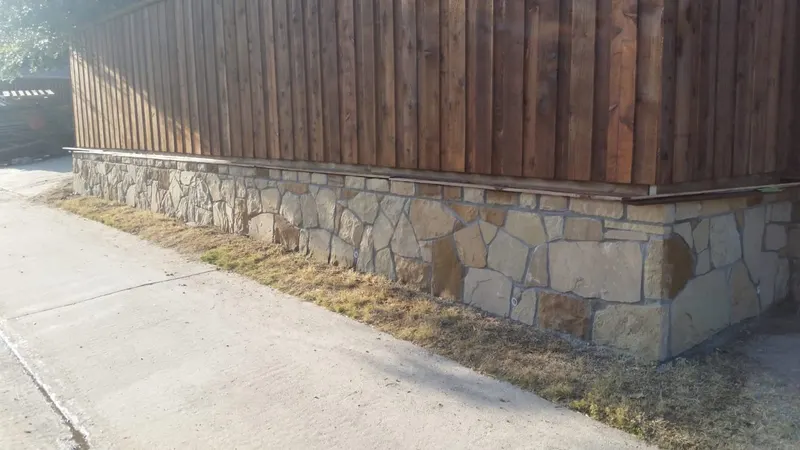
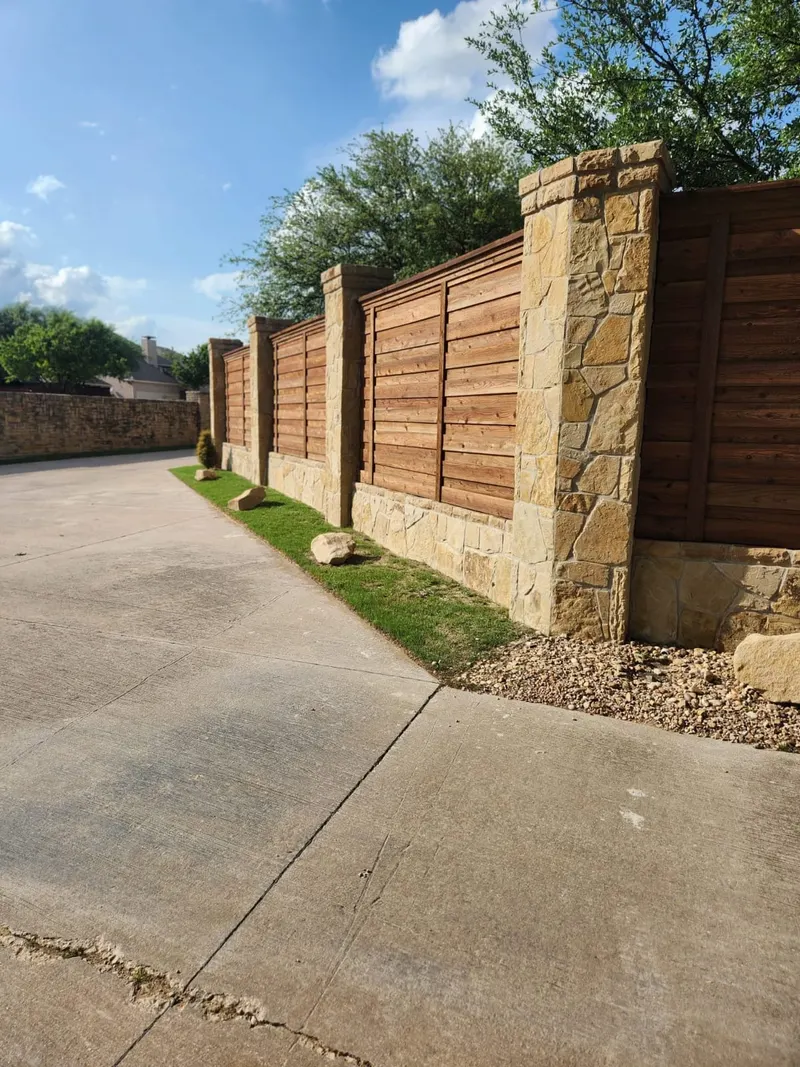
A community perimeter fails slowly and unevenly. Clay soil swells in a wet spring and shrinks in August, and over the years that movement tilts posts and opens cracks in masonry. One stretch leans while the next stands straight. That is why the first visit is a walk of the whole line, not a measurement of its length. Wood runs are judged by their posts, and masonry by leaning panels, cracked columns and open joints. Some runs need replacing now, some can be handled as a repair, and the sound ones can wait for a later phase. The same test, at house scale, is in our repair or replace guide for owners.
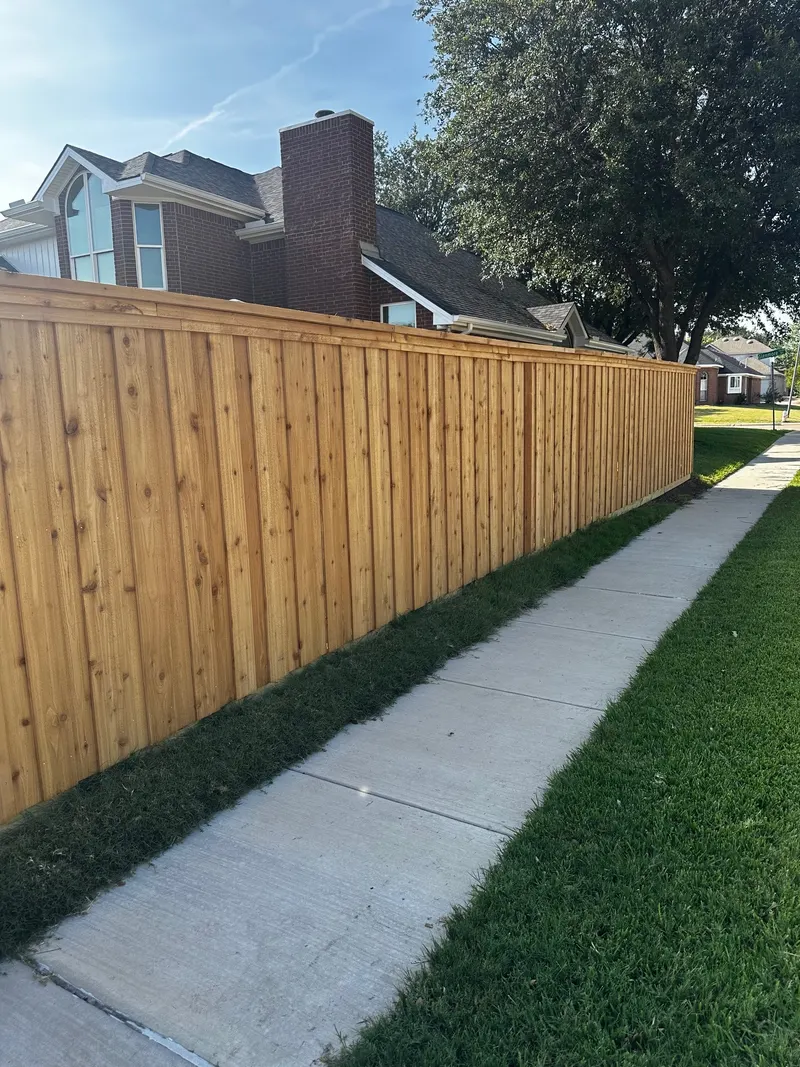
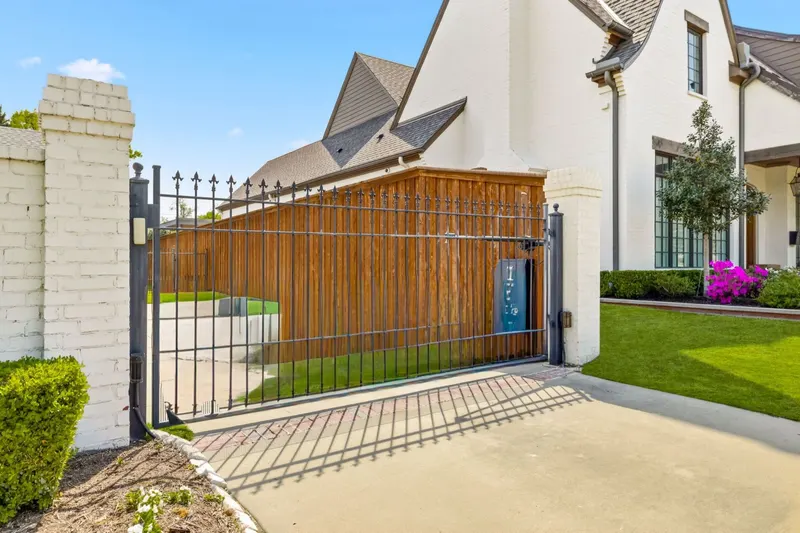
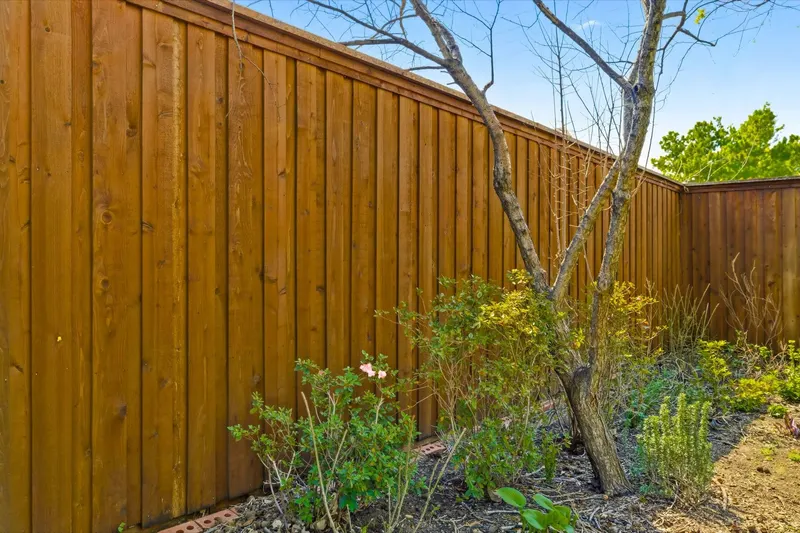
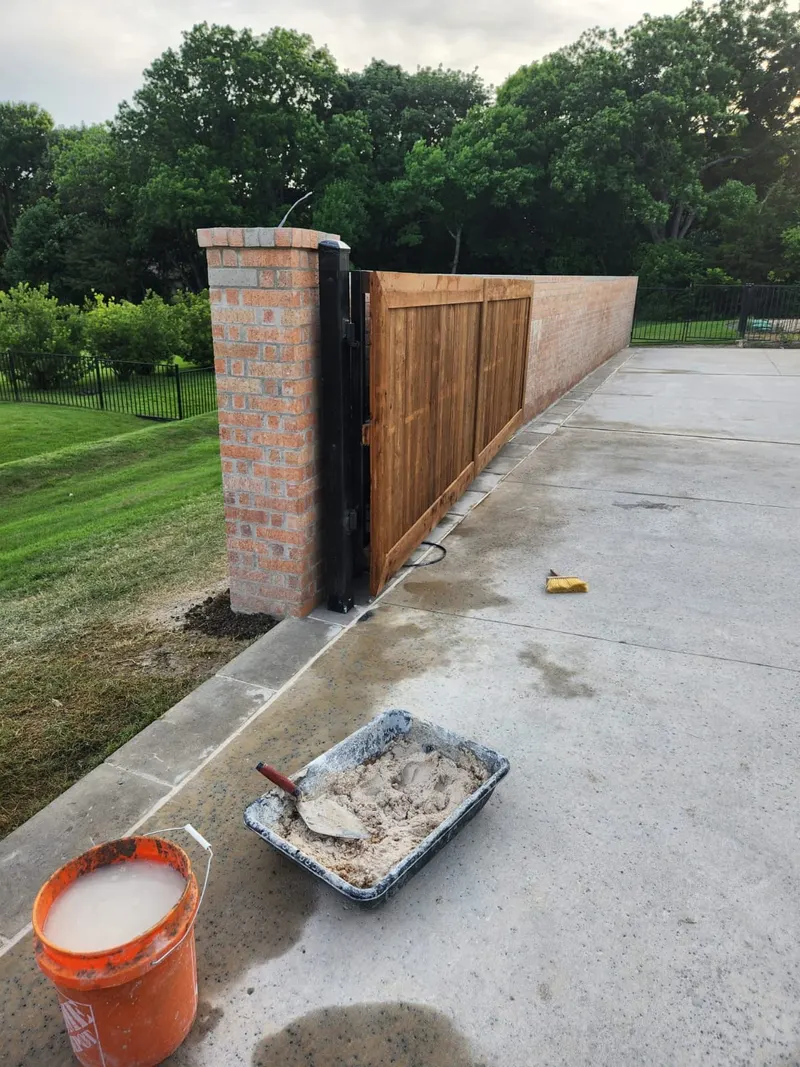
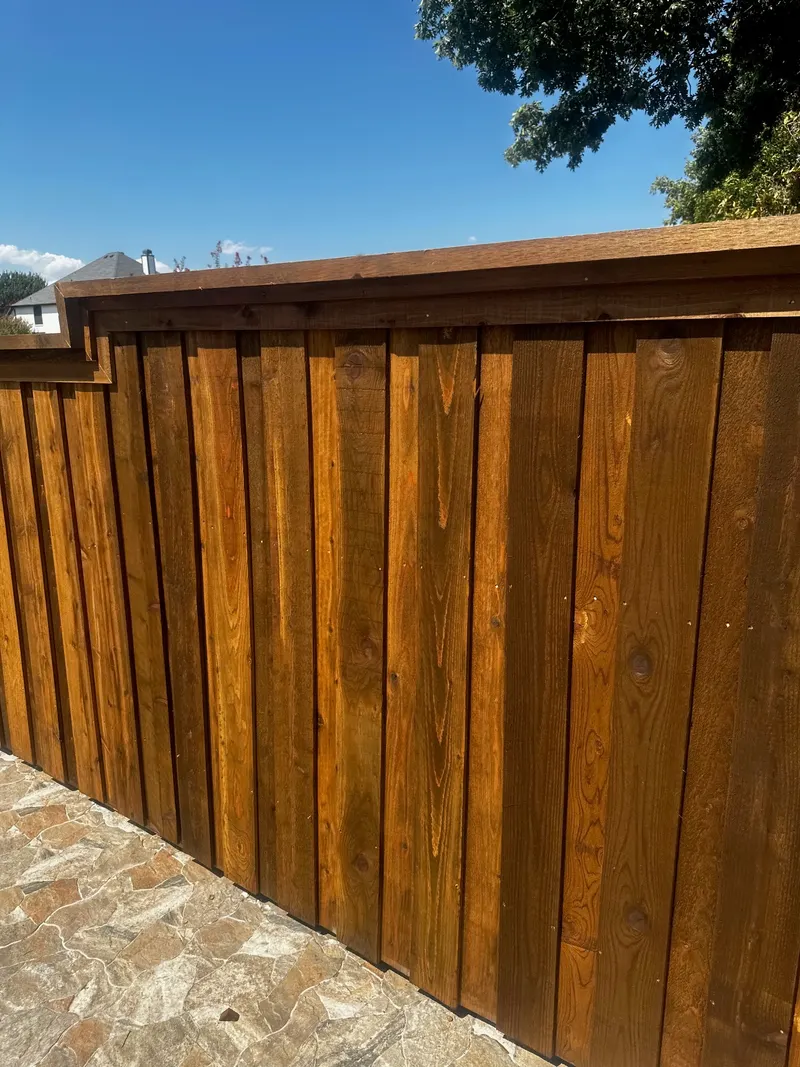
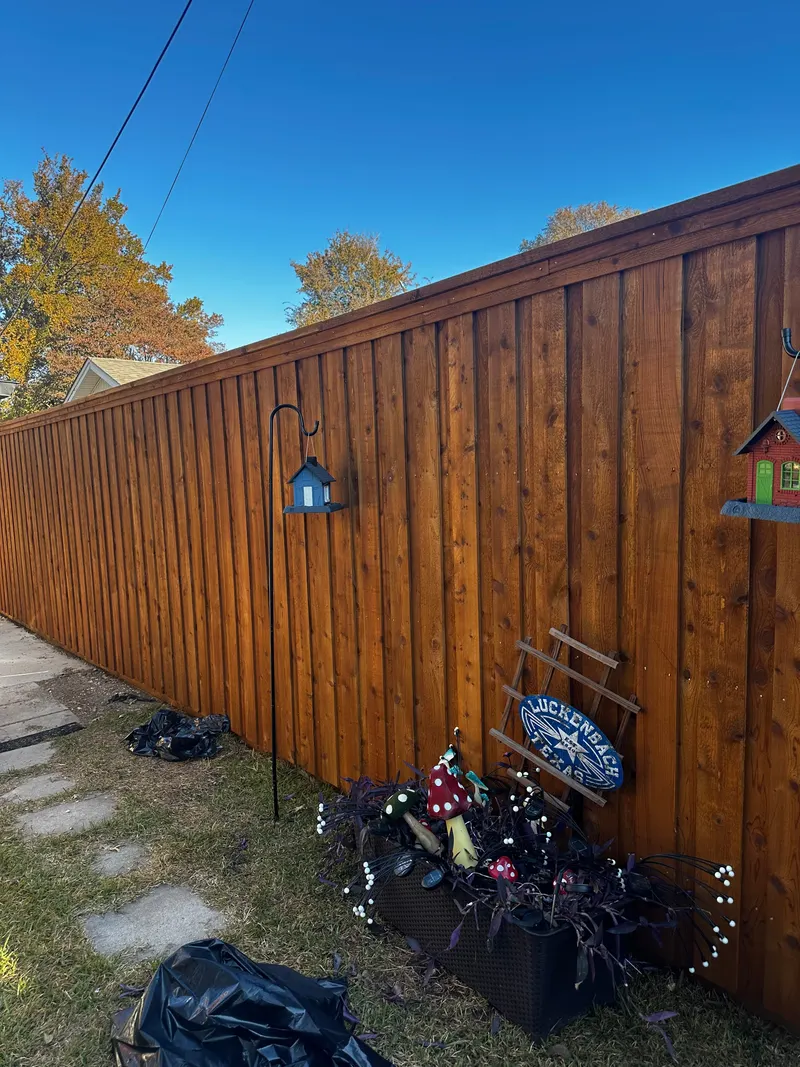
Before a board budgets anything, it helps to know who owns each stretch. The plat shows whether a wall stands on an owner lot, in an easement or on common area, and the declaration says who maintains it. Bring both to the visit. For new work, cedar is built on posts set in concrete with steel post options and galvanized fasteners, and iron is powder coated. A wall along a busy road can also cut traffic sound, which our traffic noise guide explains. At the entry, automatic gates are planned with the fence, so columns, power and access control are ready together. See the gallery for the materials side by side.
Popular in: DallasPlanoFriscoFort Worth
Related services: Iron / Metal FencingMasonry FencingGates & Gate MotorsPool Fencing
Sources: Texas Health and Safety Code, Chapter 757: Pool Yard Enclosures · City of Dallas: Fence Permit, Pool Barrier and Retaining Wall Checklist. General information, not legal advice.