 01
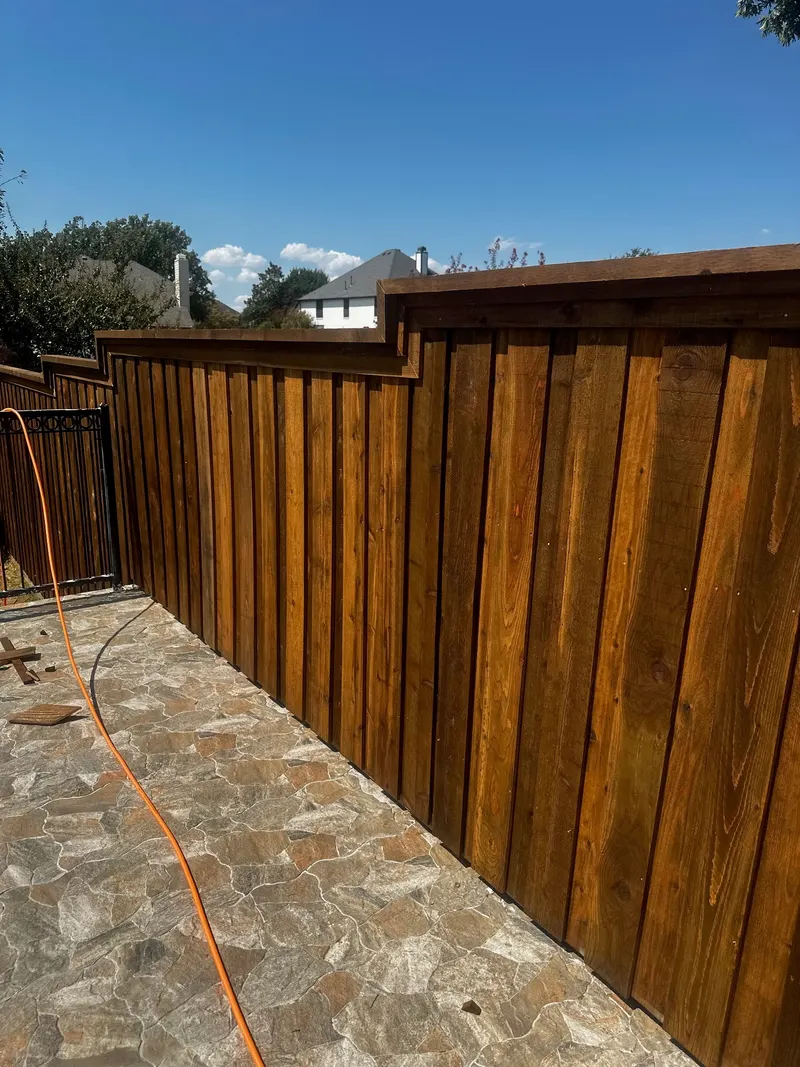
Alley-side cedar privacy fence
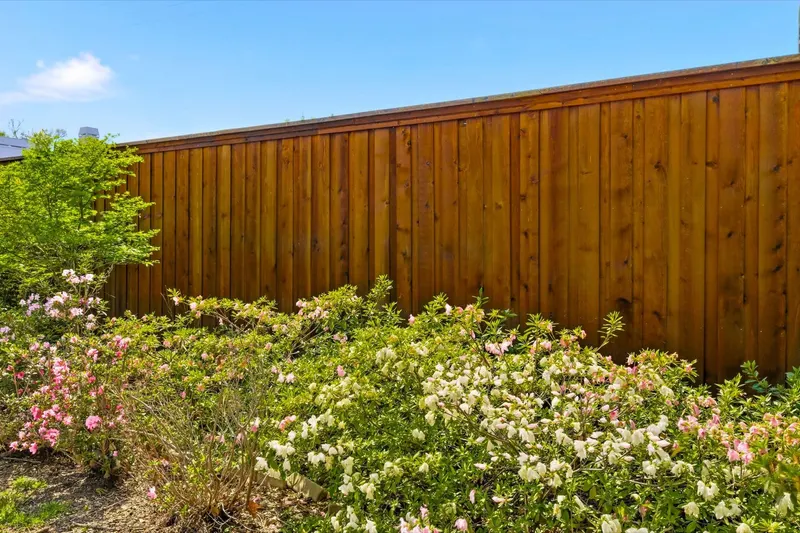
The old fence comes out, easements and the alley line are measured, and new cedar goes up on posts set in concrete, with a gate placed so cars and trash carts still get through.

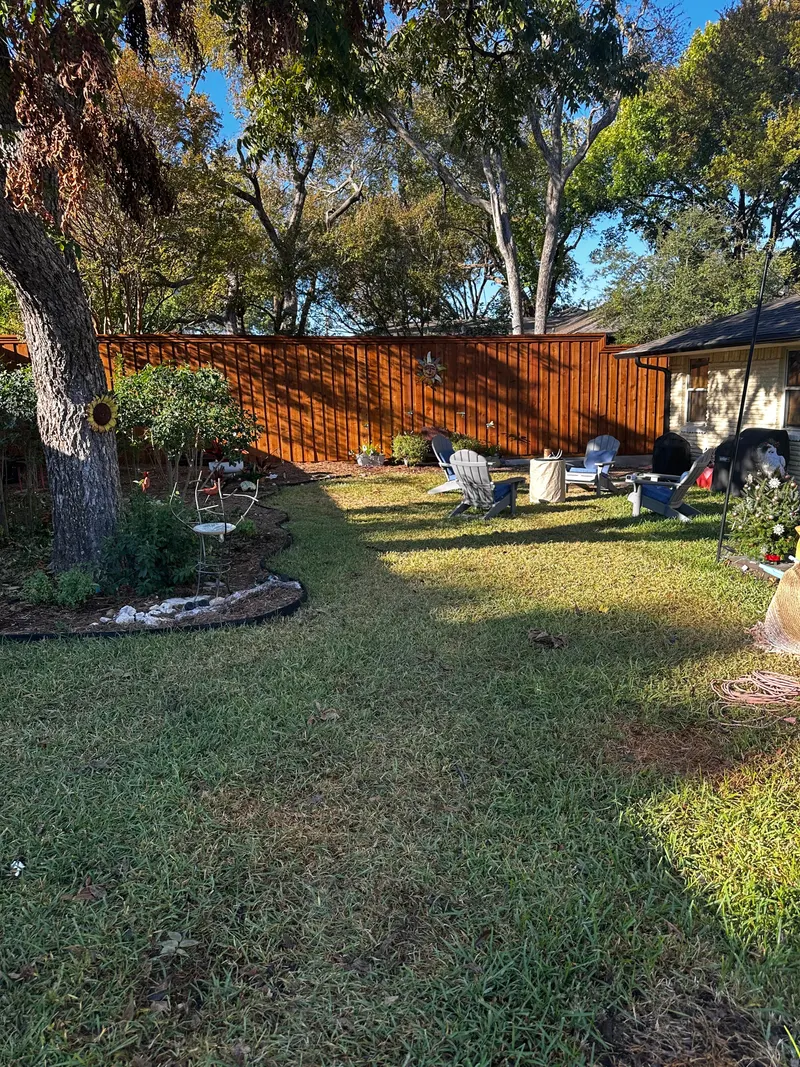
Service area · Dallas, Texas
Dallas homeowners usually call a fence company for one of three things: a leaning fence on the alley, a pool barrier that has to pass inspection, or a front fence that fits city height rules. Park Cities Fence & Deck designs, permits and builds all three in-house, with owner Jack Johnson on every job.
5.0 from 18 Google reviewsMost requested in Dallas
Choose one to start a request for that job. Jack comes out himself.
01The old fence comes out, easements and the alley line are measured, and new cedar goes up on posts set in concrete, with a gate placed so cars and trash carts still get through.
 02
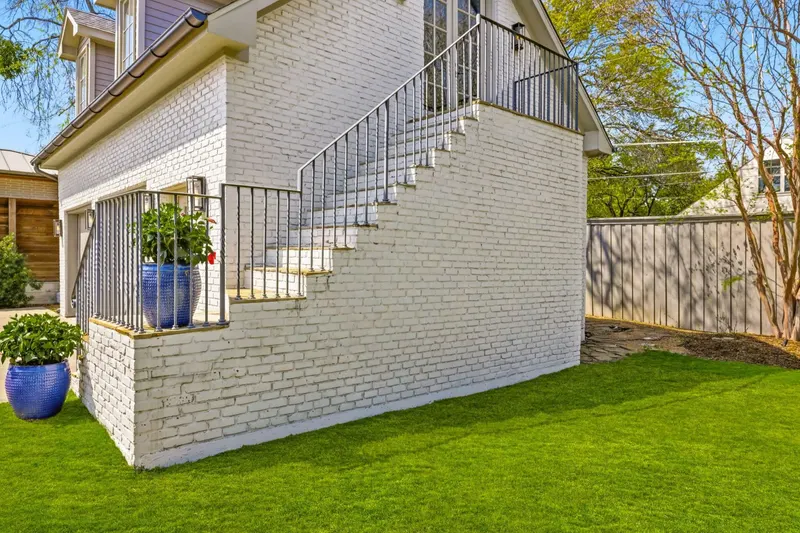
Powder-coated ornamental steel drawn for the city pool barrier permit, with barrier height, clearances and the gate latch release shown on the plans, and gates that close and latch on their own.
 03
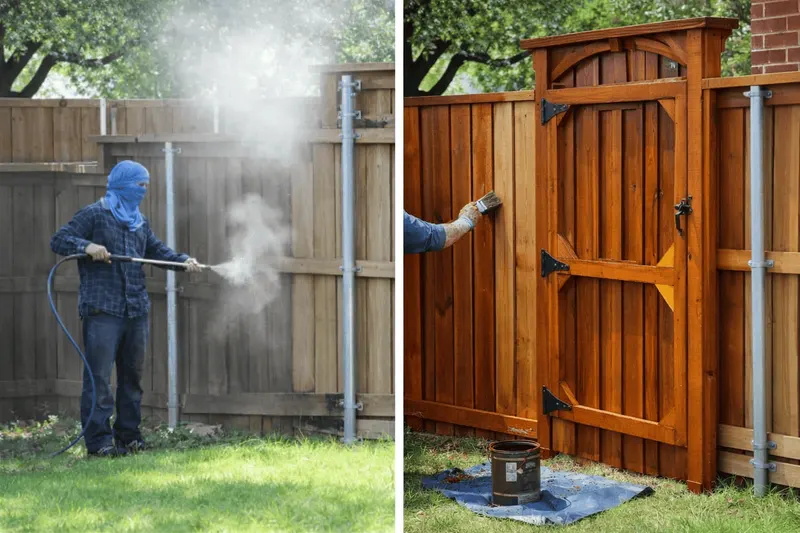
Leaning or snapped posts are replaced and reset in concrete, damaged panels are rebuilt to match, and Jack tells you plainly when a repair is enough and when it is not.
Local knowledge
A fence in Dallas is a different job on every side of town. In the M Streets and Lakewood the lots are narrow, the trees are old and the neighborhood may sit inside a conservation district with its own standards. In Lake Highlands and North Dallas the usual call is a long, tired run of pickets behind a ranch house. We build cedar privacy fences for both, and the design starts from the block, not from a catalog.
Alleys shape more Dallas fences than any style choice. Where the back line faces an alley, the fence shares space with utility easements, trash pickup and a driveway gate that opens many times a day. The city wants the site plan to show easements, alleys and driveways, so we measure them on the first visit. Our guide to fence permits, HOAs and 811 locates explains what gets checked before a post hole is dug.
Dallas sits on expansive clay that swells in a wet spring and shrinks through August, and that movement is why so many fences here lean long before the boards wear out. Posts are set in concrete, steel posts are available on long runs, and gate and masonry column footings are engineered to reach below the clay movement zone. If your fence already leans, our guide on repair versus replacement helps you decide before you spend.
Spring storms set the calendar. After a hail or wind event, homeowners from White Rock Lake to Oak Cliff need fence repair in the same week, so a written estimate early matters. Most residential wood and iron fences take one to three days once materials arrive, while masonry and gates take longer. Jack attends the consultation, is on site for the build and walks the finished fence with you. Start with the storm damage checklist.
M StreetsLakewoodLake HighlandsNorth DallasPreston HollowOak CliffKessler ParkWhite Rock LakeBluffview
Rules at a glance
Summary of the City of Dallas fence permit checklist and Dallas Development Code Section 51A-4.602(a), read from the sources listed below. Planned development districts, overlays and private deed restrictions can be stricter than the citywide rule, so we confirm the requirements for your address with the city before we build.
We confirm the current rule for your address and handle the permit paperwork before any post goes in the ground.
| Topic | What the City of Dallas requires |
|---|---|
| When a permit is needed | A fence permit is required for a fence taller than 4 feet in a front yard or taller than 6 feet anywhere else on the lot. The application goes through the city's DallasNow system with a site plan and a fence elevation drawing. |
| Front yard height | In single-family and duplex districts a fence in the required front yard may not be taller than 4 feet above grade. A fence panel that is less than 50 percent open may not sit closer than 5 feet to the front lot line. |
| Side and rear yard height | A fence in a required yard may not be taller than 9 feet above grade. Anything taller needs approval from the Dallas Board of Adjustment, a building permit and plans sealed by a licensed professional engineer. |
| Materials not allowed | Sheet metal, corrugated metal, fiberglass panels, plywood, and plastic other than preformed pickets or panels at least seven-eighths of an inch thick. Barbed wire and razor ribbon are prohibited in residential districts. |
| Pool barriers | A pool barrier is permitted with drawings that show barrier height, material, clearances and the height of the gate latch release. Doors and gates into the pool enclosure need an alarm or must be self-closing and self-latching under the Dallas Building Code. |
| Conservation and historic districts | A proposed fence inside a conservation district or historic district needs an approved Certificate of Appropriateness with supporting documents. Standards differ by district. Confirmed with the city before we build. |
| Easements and access | A fence may not be placed in an easement without prior written approval from the agencies with an interest in it, and every fence must keep firefighting access to the side and rear yards. |
Sources: City of Dallas: Fence Permit, Pool Barrier and Retaining Wall Checklist · City of Dallas Ordinance 30198, amending Development Code Section 51A-4.602 (fence standards) · City of Dallas: Swimming Pool and Spa Permit Required Documents · Railroad Commission of Texas: Pipeline Damage Prevention Program (call 811). General information, not legal advice.
How we work here
Dallas properties bring their own rules: alley easements, pool barrier codes, and conservation districts with specific fence requirements. We know the City of Dallas rules and what passes inspection the first time, permits, HOA drawings and 811 utility locates are handled for you.
Board-on-board cedar remains the Dallas favorite for privacy, with ornamental iron for pools and front yards in Lakewood, the M Streets, Oak Cliff and Preston Hollow. Every wood fence gets kiln-dried cedar, posts set in concrete, and galvanized fasteners, most builds are finished in one to three days.
Alley-side replacements deserve special mention: half of Dallas fencing sits on an alley easement, and a layout that ignores it fails inspection or blocks trash service. We design gates and fence lines around easements from the first site visit, and Jack walks every finished build before we call it done.
“We couldn’t be happier with our new gate! Impressed with the quality and the professionalism. It is just what we wanted!!” Erin Welch, Google review
Services: Board-on-Board CedarIron Pool FencingAutomated GatesDecks
Free on-site consultation with Jack and a written estimate. No obligation.
Common questions
Up to 9 feet above grade in a required side or rear yard under the Dallas Development Code. A permit is required once the fence is taller than 6 feet. Anything above 9 feet needs approval from the Dallas Board of Adjustment plus engineer-sealed plans. We design privacy fences to stay inside those limits unless you decide to apply for more.
Four feet above grade in the required front yard of a single-family or duplex lot. A solid panel, meaning one that is less than 50 percent open, also has to sit at least 5 feet back from the front lot line. For a taller front fence the route is a special exception from the Board of Adjustment, which we can help you prepare.
The City of Dallas prohibits sheet metal, corrugated metal, fiberglass panels, plywood and thin plastic as fence materials, along with barbed wire and razor ribbon in residential districts. Cedar, ornamental iron and steel, brick and stone are all accepted, and those are the materials Park Cities Fence & Deck builds with in-house.
Only with prior written approval from the agencies that have an interest in the easement. The city asks for that authorization with the permit documents when a fence is proposed inside one. We mark easements on the site plan during the first visit and, where it makes sense, move the fence line or add a gate so crews keep access.
Yes. The city fence checklist says a proposed fence inside a conservation district or historic district needs an approved Certificate of Appropriateness with supporting documents. Each district has its own standards for height, placement and materials, so we check your address first and prepare the drawings that review asks for before any work is scheduled.
We do, and the locate is free to you. Texas law requires a call to 811 before anyone digs deeper than 16 inches, and fence post holes go deeper than that. Utility lines are marked with flags or paint before we dig, and the layout is adjusted when a line runs where a post was planned.
Many Dallas fence projects need a permit, especially taller fences, anything around a pool, and work in conservation or historic districts. Rules vary by height, location on the lot and neighborhood overlay. We confirm what your specific project requires, prepare the drawings and pull the permit as part of the job.
Board-on-board cedar with cap-and-trim is the citywide standard for backyard privacy. Ornamental iron leads for pool enclosures and front yards, especially in Lakewood and the M Streets, and horizontal cedar is gaining ground on modern remodels. Masonry columns with iron or cedar infill top the range.
Free quotes usually go out within 24 hours of your first call or message, and our phones are answered 24/7. For straightforward replacements we can often quote from photos and a property sketch; for pool barriers, gates or masonry we walk the site first.
Yes, alley-side fences sit on or near a utility easement, so post locations, gate swings and access for trash service all matter. We call in 811 utility locates before digging, keep the layout inside your line, and design alley gates that survive daily use.
Dallas is not one fence market, it is fifty. In Lakewood and the M Streets, older lots with mature trees call for careful post placement and often a conservation-district review before anything goes in the ground. In Oak Cliff and Kessler Park, slopes and stone retaining walls mean fences have to step gracefully rather than rack. Up in North Dallas and Lake Highlands, the job is usually replacing a 1980s side-by-side fence with board-on-board cedar on steel posts that will not lean the way the old one did.
The common thread is soil. North Texas clay swells with spring rain and shrinks hard in August, and that movement is what kills fences early, posts heave, gates sag, panels rack. We set posts in concrete at depths matched to the fence height and wind load, and on gates and masonry we use engineered footings that reach below the clay movement zone. It is the least visible part of the fence and the most important one.
Pools add a second layer of rules. Dallas enforces barrier requirements covering fence height, gaps between pickets, and self-closing, self-latching gates, and inspectors check all of it. Our iron pool fencing is built to pass the first time, with powder-coated ornamental steel that keeps sightlines to the water open. If you are planning a pool or buying a home with one, our guide to Dallas pool fence code covers what inspectors look for.
Whatever the neighborhood, the process is the same: a free quote (usually within 24 hours), a design that fits the house and the code, a build that typically takes one to three days for wood, and a final walkthrough with Jack, and usually Cinco, before we leave.
Guides
Height, gaps, latches and the ladder-effect rule, what inspectors actually check on a Dallas-area pool fence.
Read the guide
Back yards, front yards, corner lots and pools all follow different height logic. Here is the pattern, and how to confirm yours.
Read the guide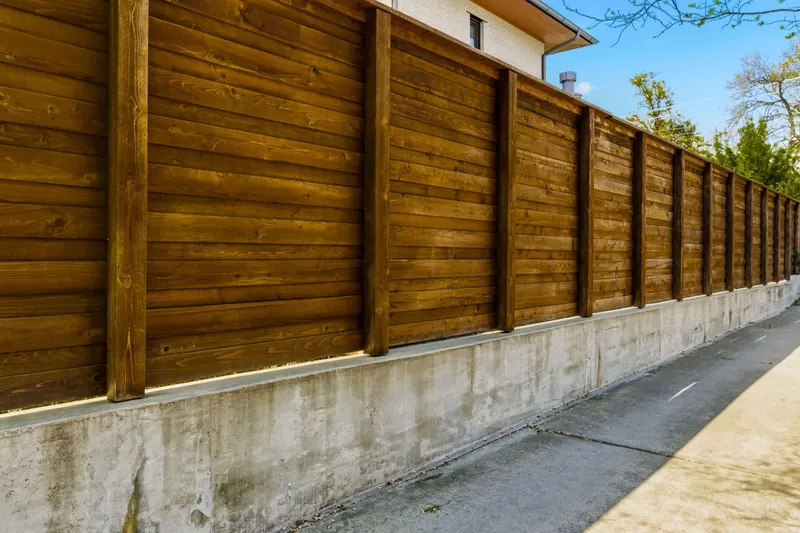
No mystery, no gimmicks: the seven factors that actually move a cedar fence quote up or down in Dallas.
Read the guideCall (214) 755-8100 or send a short request online.