Planning · Dallas, Texas
Fence Permits, HOAs and Utility Locates in DFW: The Paperwork Side of a New Fence
Permits, HOA approvals and the 811 call, the paperwork that has to happen before a single post hole is dug.
 By Jack Johnson, owner of Park Cities Fence & Deck · 8 min read · 1,635 words
In short
Most Dallas-area cities require a permit for new fences over a certain height and for any masonry or retaining work. Most HOAs require written approval of your design before build day. And before any digging, utilities must be located through the free 811 system. A good fence company handles all three for you.
In this guide
- When a fence permit is required in DFW
- What the permit process actually involves
- HOA approval: the step people regret skipping
- The 811 call: locating utilities before digging
- How the paperwork fits the project timeline
- What happens if you skip the paperwork
- Who should handle all this
Need this done? See wood fencing.
A fence project has two halves. The visible half is cedar, steel and concrete. The invisible half is paperwork, a city permit, an HOA approval letter and a utility locate ticket, and skipping it is how homeowners end up rebuilding a brand-new fence or repairing a severed gas line.
This guide walks through all three requirements in the order they actually happen, with the local wrinkles we see weekly across Dallas, the Park Cities and the suburbs. The short version: none of this should be your job. We handle permits, HOA drawings and 811 locates as part of every installation.
When a fence permit is required in DFW
Most Dallas-area cities require a permit for new fences over a certain height and for any masonry or retaining work. The trigger height varies by city, and the rules differ block to block, corner lots and street-facing sides carry extra limits almost everywhere. A backyard cedar replacement on the same line often sails through with minimal review, while a taller fence, a front-yard fence or a masonry wall gets a closer look.
Two situations reliably raise the bar. First, anything structural: brick or stone walls, columns with engineered footings, and any fence doing retaining duty against a grade change. Cities want to see footing details because North Texas clay moves, and a wall built on a shallow footing will lean. Second, anything visible from the street, where design standards and visibility rules come into play.
The Park Cities deserve a special note. Highland Park and University Park are independent towns with their own review processes, and they typically look at fences more carefully than big-city Dallas does, particularly on corner lots and along prominent streets. If you live in Highland Park or University Park, assume your project will be reviewed and plan the timeline accordingly.
What the permit process actually involves
A typical fence permit application includes a simple site plan, your lot with the fence line drawn on it, plus the fence height, materials and construction details. For masonry work, cities usually want footing depth and reinforcement noted. Turnaround runs from same-day approval in some suburbs to a couple of weeks where a review board meets on a schedule.
The plat of your property, which you likely received at closing, is the usual starting point for the site plan. If you cannot find it, your county appraisal district or title company can help. When we handle the permit, we prepare the drawings from your survey and submit everything on your behalf, so the only thing you sign is the approval.
Some cities also inspect after the build, usually a quick visual check that the fence matches the approved application. Masonry and retaining work can add an inspection at the footing stage, before concrete is poured, because the footing is the part nobody can verify later. Build the inspection windows into your expectations and they cost nothing; discover them mid-pour and they cost a day.
- Site plan: Your lot outline with the proposed fence line, gates and any columns marked.
- Construction details: Height, materials, post spacing and, for masonry, footing depth and reinforcement.
- Review time: Anywhere from same-day to a few weeks, depending on the city and whether a board must meet.
HOA approval: the step people regret skipping
HOAs commonly regulate fence height, materials, stain color and which side of the fence faces out, the smooth side almost always must face the neighbor or the street. Many also restrict gate styles and prohibit certain materials entirely. The approval usually runs through an architectural control committee that meets monthly, so this is often the longest lead item in the whole project.
Getting written approval before build day is non-negotiable. We have seen homeowners forced to tear out and rebuild fences that were structurally perfect but the wrong color or an inch too tall on paper. The committee does not care that the fence looks great; it cares that the application matched the build.
Our process is to prepare the drawings and specification sheet your HOA asks for, style, height, stain color, hardware, so the committee can approve it in one pass instead of bouncing it back for missing details. If your neighborhood requires a specific stain family, we match it and note it on the submission.
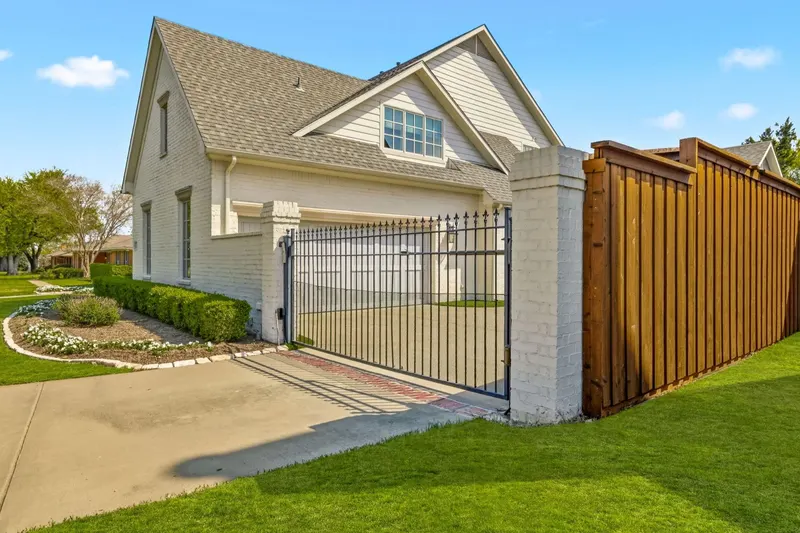
The 811 call: locating utilities before digging
Texas law requires that underground utilities be located before excavation, and fence posts absolutely count as excavation. The 811 system is free: a ticket is filed a few business days before digging, and utility operators send locators to mark buried gas, electric, water and communication lines with paint and flags on your property.
This step protects more than the budget. A struck gas line is a genuine emergency, and a severed fiber line can knock out service for a whole block. Post holes for a fence go two feet or deeper, well into the territory where lines live. We file the locate ticket for every job and dig only after the marks are down.
One caveat worth knowing: 811 locates cover utility-owned lines, not private ones. A gas line running to an outdoor kitchen, low-voltage landscape lighting or a private sprinkler main will not be marked. Tell your installer about anything you have added to the yard, and we will hand-dig around it.
How the paperwork fits the project timeline
The sequence that keeps a project on schedule: measure and quote first, then submit HOA approval (the slowest step), pull the city permit once the design is locked, and file the 811 ticket a few days before build day. Handled in that order, the waiting overlaps and the paperwork rarely delays the build itself.
For a straightforward cedar replacement with no HOA, the whole runway can be under a week. Add an HOA committee that meets monthly and you should plan a few weeks ahead, which is why we recommend starting the quote process before your old fence becomes an emergency. A free quote usually comes back within 24 hours, and it starts the clock on everything else.
What happens if you skip the paperwork
An unpermitted fence can trigger a stop-work order mid-build, fines, and in the worst case a forced tear-out, with the full rebuild happening at your expense on a fence you already paid for once. Unapproved HOA work adds the possibility of ongoing violation notices and liens in some communities. And digging without locates risks injury and repair liability that dwarfs the whole fence budget.
The uncomfortable truth is that most paperwork problems surface at the worst time: when you sell the house. Title companies and buyers’ inspectors flag unpermitted structures, and a closing is a terrible moment to be negotiating with a review board. Doing it right the first time is dramatically cheaper than doing it retroactively.
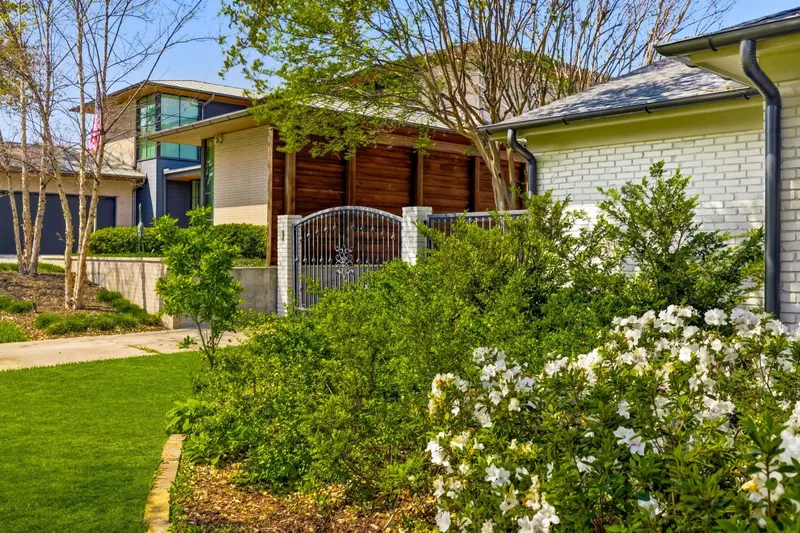
Who should handle all this
Any established fence contractor should treat permits, HOA submissions and locates as part of the job, not an upsell, and not your homework. It is a fair screening question when you compare bids: ask each company directly who files the permit, who prepares the HOA drawings and who calls in the locate ticket. Vague answers are a signal.
At Park Cities Fence & Deck this is baked into every installation, from a backyard cedar line to an estate wall with automated gates. Owner Jack walks every finished build, and the file he closes out includes the approvals it started with. If you want the paperwork side handled from day one, request a free quote, we usually respond within 24 hours.
How Park Cities Fence & Deck helps
Jack Johnson comes out himself, looks at your property and gives you a free written estimate with a timeline. Wood, iron and masonry are all built in-house, so the advice fits the property. Related services: wood fencing, masonry fencing, gates & gate motors. We work in Highland Park and University Park and across Dallas.
Questions people ask next
Do I need a permit to replace an existing fence in Dallas?
Often the review is lighter for a like-for-like replacement on the same line, but many cities still want a permit, especially if height changes, the fence faces a street, or masonry is involved. Rules vary by city and even by lot type, so confirm with your city before building. We check and handle this as part of every quote.
How long does HOA fence approval take?
Most architectural committees meet monthly, so a complete, well-prepared application typically clears in one cycle, a few weeks. Incomplete submissions get bounced and lose a full month. We prepare drawings and specifications to your HOA’s checklist so the approval passes on the first review whenever possible.
Is the 811 utility locate really required for fence posts?
Yes. Texas law requires locates before excavation, and post holes qualify. The service is free, takes a few business days, and marks utility-owned gas, electric, water and communication lines. Private lines, landscape lighting, pool equipment, outdoor kitchens, are not marked, so tell your installer about them.
Do Highland Park and University Park have different fence rules than Dallas?
Typically yes. Both are independent towns with their own review processes, and they tend to review fences more closely than Dallas, especially corner lots, front yards and street-facing runs. We work in the Park Cities constantly and prepare submissions to match each town’s expectations. Always confirm current requirements with the town.
Will Park Cities Fence & Deck handle the permits and HOA paperwork for me?
Yes, permits, HOA drawings and 811 locates are included with every installation. We prepare the site plan from your survey, submit to the city and your architectural committee, and file the locate ticket before build day. You review and sign; we do the legwork.