Planning · Dallas, Texas
What Should I Expect on Fence Installation Day?
From the utility marks to the final walkthrough, here is how a fence build runs and what you should do to get ready.
 By Jack Johnson, owner of Park Cities Fence & Deck · 9 min read · 1,835 words
In short
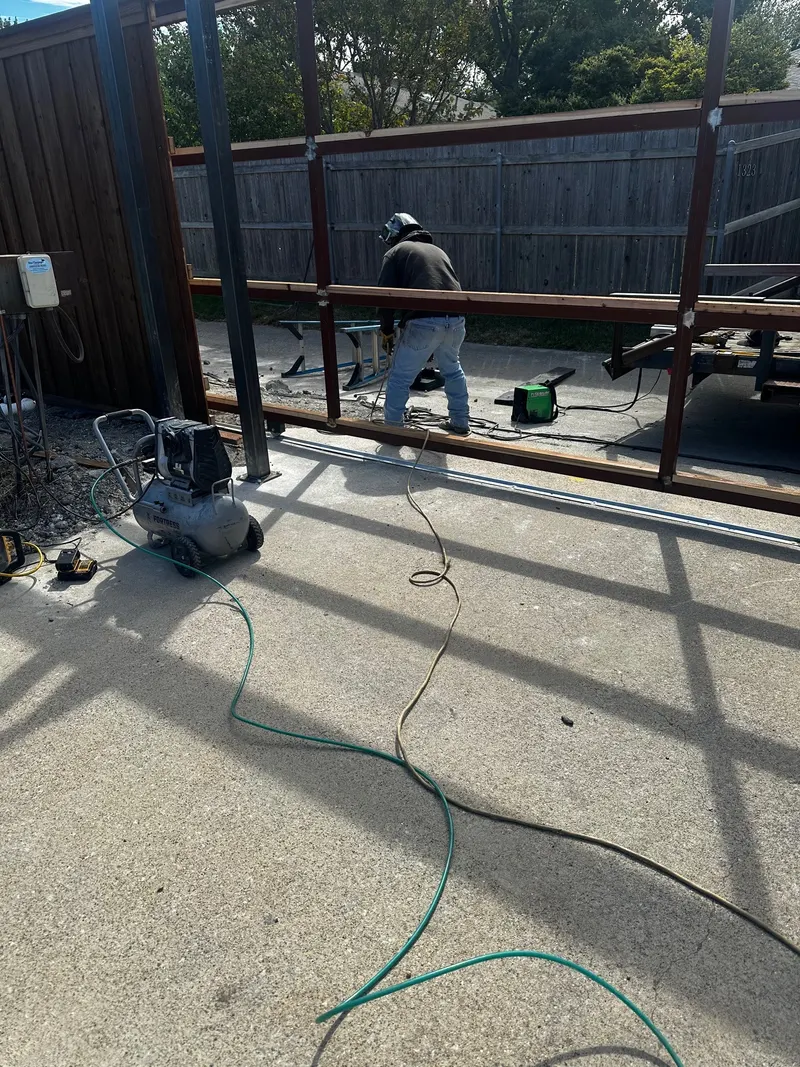
Expect a marked yard, an open fence line for a day or more, and steady noise. The old fence comes down, new posts are set in concrete, rails and pickets or panels go up, gates are hung, and the site is cleaned. Your job is to clear the line, secure pets, tell neighbors and walk the finished fence.
In this guide
- What happens before the crew arrives?
- Do I need to clear anything along the fence line before the crew arrives?
- What should I do with my dogs while the fence is down?
- Do I need to be home while the fence is being built?
- Should I tell my neighbors before my fence is replaced?
- What happens to the old fence and the old concrete footings?
- How noisy and messy is a fence installation?
Need this done? See wood fencing.
By the time a crew arrives, most of the work that decides how the day goes is already done. At Park Cities Fence & Deck the process runs in a fixed order: a consultation with owner Jack Johnson, a written estimate, permits and HOA details, a free 811 utility locate, a supervised build and a final walkthrough with Jack.
Most residential wood and iron fences take one to three days once materials arrive. Masonry and automatic gates take longer. This guide explains what you will see in the yard and the handful of things only the homeowner can do.
What happens before the crew arrives?
The paperwork and the utility locate come first. Texas law requires that 811 be contacted two business days before digging, not counting weekends and holidays, and the service is free. When you hire a contractor, making that request is the contractor's responsibility. You can ask for the ticket number as proof it was done.
After the request, utility companies send locators who mark their lines with paint and flags. Leave those marks alone until the job is finished. We also confirm any city permit and HOA approval before a build date is set, as described in our guide to fence permits, HOAs and 811 locates.
The 811 system has a blind spot you need to know about: private lines. Utility companies mark the lines they own. Sprinkler pipe, pool plumbing, landscape lighting wire and a gas line you had run to a grill belong to you, and nobody marks them unless you arrange it. Texas811 also notes that industry practice treats 18 inches on either side of a marked line as a zone for careful hand digging, which is one reason a post location sometimes shifts a little from the plan.
Do I need to clear anything along the fence line before the crew arrives?
Yes. Clear a working strip on your side of the fence so the crew can reach the whole line with tools and materials. A clean line is the single biggest thing a homeowner can do to keep the job on schedule.
Anything attached to or leaning on the old fence has to come off, because the fence it is attached to is about to leave. If plants along the line matter to you, point them out at the consultation and again on the first morning. Our guide to protecting landscaping during fence installation goes deeper, and building a fence near mature trees covers roots.
- Move: Grills, furniture, planters, firewood, trash carts, play equipment and anything stored against the fence.
- Take down: Hose reels, lights, cameras, bird feeders, trellises and vines tied to the old fence.
- Flag: Sprinkler heads, drip lines, landscape lighting wire and any private gas or electric line you know about.
- Trim: Branches and shrubs growing through or over the fence, if you want to choose how they are cut.
- Unlock: Gates and the driveway or alley access the crew will use to carry materials in and debris out.
What should I do with my dogs while the fence is down?
Plan for the yard to be open from the moment the old fence comes down until the last gate is hung and latched. Keep dogs indoors, walk them on a leash, or arrange a day or two elsewhere.
Do not count on a partly finished fence. Posts without pickets, a gate opening without a gate and a gap at a neighbor's corner are all exits. Dogs also react to strangers, noise and open concrete, so keeping them inside protects the dog, the crew and the fresh footings.
Tell the crew lead that you have dogs and ask to be told when the yard is secure again. If a section must stay open overnight, ask how it will be closed off. If your dog is a jumper, digger or squeezer, raise it at the consultation so the fence is designed for it. See our guides to the best fence for small dogs and the best fence for large dogs.

Do I need to be home while the fence is being built?
No. You need to be reachable, and the crew needs access. Many homeowners are at work for the whole build.
Two moments are worth being there for. The first is the start, when the line, the gate locations, the swing direction of each gate and the items to protect are confirmed on the ground. The second is the end, when Jack walks the finished fence with you. He attends every build, so there is an owner on the property who can answer a question the same day it comes up.
If you cannot be home at the start, walk the line with a phone camera the evening before and send any notes. A photo of the sprinkler valve box or the spot where the dog digs is worth more than a paragraph of description.
At the walkthrough, do more than look. Open and close every gate, check that each latch catches on its own, sight down the top line, and look at the bottom edge where the fence meets the ground. Ask about care for the first weeks and when stain can go on if it is not part of the job. This is the moment to raise anything you notice, while everyone is standing in front of it.
Should I tell my neighbors before my fence is replaced?
Yes, a few days ahead. When your fence comes down, their yard opens too, and their dog, pool or garden is suddenly exposed.
Tell them the dates, ask them to move anything leaning on their side, and ask about pets. If the crew needs to step onto their property to remove old pickets or reach a corner, get that permission in advance. A shared fence deserves an earlier and longer conversation about design, cost and which way the finished side faces. Start with shared fences in Texas and our neighbor fence questions guide.
If there is any doubt about where the line runs, settle it before the old fence is removed. Old fences are often not on the true boundary. Our guide to a fence over the property line explains how a survey resolves it.
What happens to the old fence and the old concrete footings?
The old fence is taken apart and removed from the property, and the old footings are either pulled or bypassed. Which of those applies to your job, and whether haul-off is included, should be written on your estimate.
Old concrete is the hard part of any tear-out. A footing can be dug out whole, broken up, or left in place with the new post set beside it at a new spacing. Each choice has a reason. Pulling every footing gives the cleanest layout but disturbs more ground, and it is slow near tree roots and sprinkler lines. Offsetting posts is gentler on the yard but changes where panels and gates land.
Ask the question before you sign, because bids differ here more than anywhere else. Our fence quote and contract checklist lists tear-out and haul-off among the items a complete scope should name.
The stages of a typical fence replacement
| Stage | What you will see | What you should do |
|---|---|---|
| Prep | Utility marks, materials delivered | Clear the line and confirm gate locations |
| Tear-out | Old fence removed, yard open | Keep pets inside, neighbors informed |
| Posts | Holes dug, posts set in concrete | Stay off fresh footings |
| Build | Rails, pickets or panels, caps and trim | Be reachable for questions |
| Gates and cleanup | Gates hung and latched, debris removed | Check the yard is secure before pets go out |
| Walkthrough | Jack walks the finished fence with you | Open every gate and point out anything you see |
What this means for you: The number of days depends on length, material and weather. Your written estimate states the timing for your project.
How noisy and messy is a fence installation?
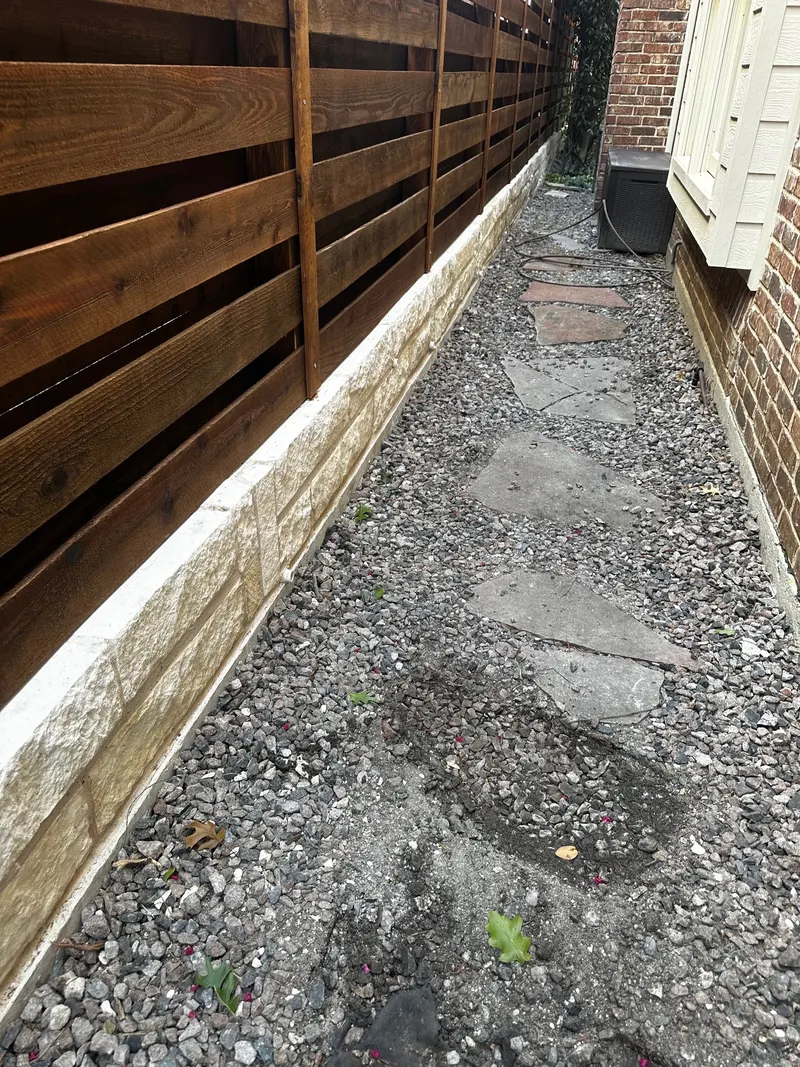
It is a construction site for a short time. Expect saws, nail guns, compressors, digging equipment and trucks, with most of the noise during tear-out and framing.
The mess is real but temporary: sawdust, spoil from post holes, old nails and concrete fragments. A careful crew stacks debris as it works and cleans the site at the end. Ask how nails and screws from the old fence are collected, because those are what a lawn mower or a bare foot finds later. Lawns show foot traffic along the line for a week or two and recover.
If you work from home, plan calls away from the fence side of the house. The wood fence stage is the loudest. Iron fence panels arrive fabricated, so that work is quieter on site. Questions before the day are welcome: call (214) 755-8100 or send a note.
How Park Cities Fence & Deck helps
Jack Johnson comes out himself, looks at your property and gives you a free written estimate with a timeline. Wood, iron and masonry are all built in-house, so the advice fits the property. Related services: wood fencing, fence rehab / repair.
Questions people ask next
Can the crew reuse any of my old fence posts or materials?
Sometimes. Steel posts that are straight, sound and solidly set can occasionally stay in service under new rails and pickets. Wood posts near the end of their life, and weathered pickets and rails, are rarely worth reusing because they fail before the new material does. Ask for an honest assessment at the consultation. Our guide to repair or replace explains the reasoning.
What if I find a problem with the fence after the crew has left?
Call us. Jack walks every finished job with the homeowner so most issues are caught that day, but a latch that needs adjusting or a board that moves as it dries can show up later. Workmanship is backed and materials carry manufacturer warranties, with the terms reviewed on your estimate. See what to expect from a fence warranty.
When is the final payment due on a fence job?
That is set out on your written estimate. We do not publish deposit or payment terms, because they are part of each project's paperwork. Read them before you sign and ask about anything unclear. As a general rule with any contractor, the final payment should follow a completed job and a walkthrough. Our guide to deposits and payment explains what is reasonable.
Who marks private lines like sprinklers, pool plumbing and gas grill lines?
Not the 811 locators. Texas811 explains that utility companies mark only the lines they own, and that buried lines after the meter are private. Marking those is the property owner's responsibility, and private locating companies charge for it. Flag what you know, share any irrigation or pool plans, and tell the crew before digging starts.
Does removing and hauling away the old fence cost extra?
It depends on how the bid is written, which is why you should check. Tear-out and haul-off are real labor and disposal work, and some companies list them separately while others include them. A complete written estimate names both. When you compare bids, confirm each one covers removal of the old fence and what happens to the old concrete.
Sources and further reading
- Texas811: Homeowner page (call 811 two business days before you dig)
- Texas811: Frequently Asked Questions (private lines, markings, tolerance zone)
- Railroad Commission of Texas: Resources for Homeowners
General information, not legal advice. Rules change: we confirm the current requirements with your city or HOA before we build.