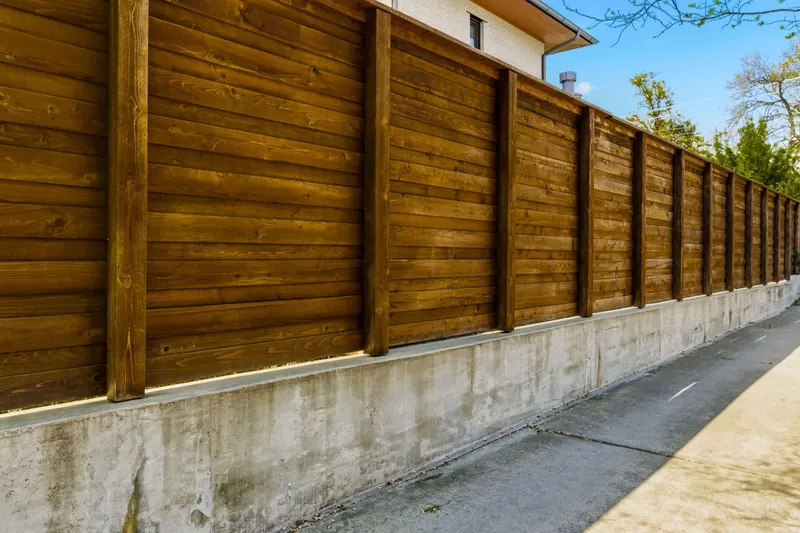
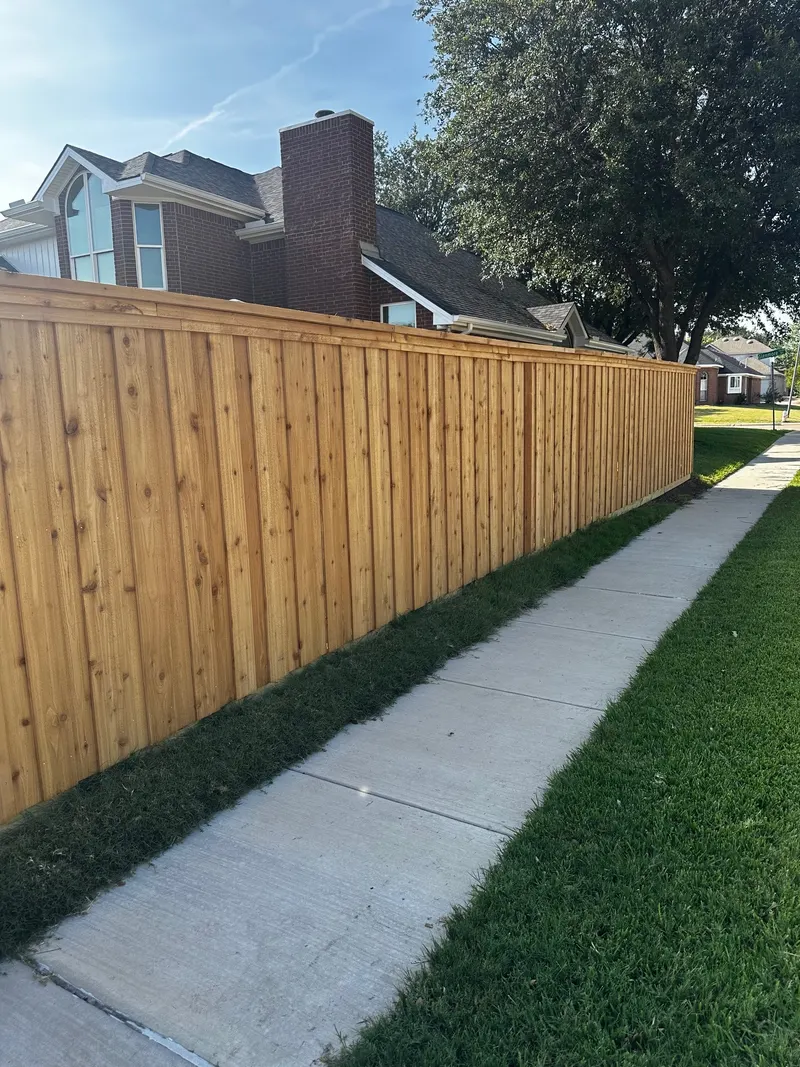
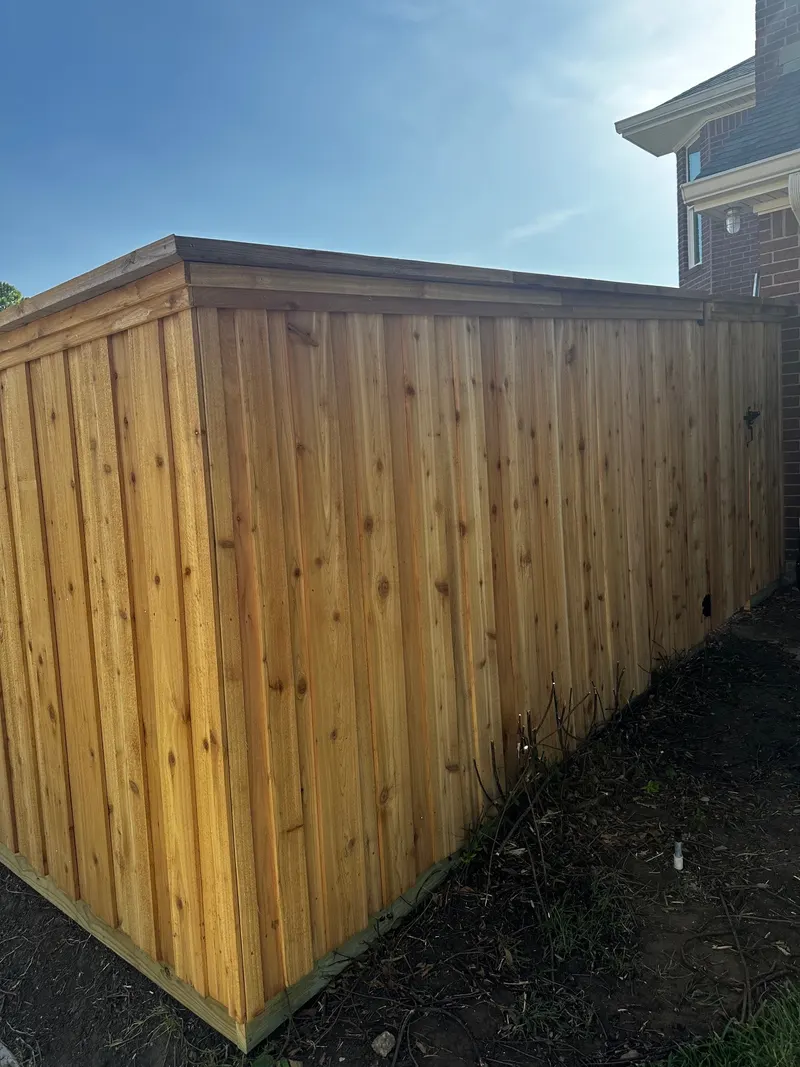
Planning · Dallas, Texas
Can I Build a Fence on a Utility Easement or Along an Alley in Texas?
Easement rules change by city, alleys add their own, and every post hole starts with a free 811 locate.
 By Jack Johnson, owner of Park Cities Fence & Deck · 9 min read · 1,834 words
In short
Sometimes, and only by your city's rules. Dallas requires written authorization from the utility company when a fence is proposed inside an easement. Highland Park and University Park do not allow it. Even where a fence is permitted, the utility keeps its right of access, so the fence may be removed for work on the lines.
In this guide
- Can I build a fence on a utility easement or along an alley?
- How long does an 811 utility locate take in Texas, and what do the paint colors mean?
- Who marks private lines like sprinklers, pool plumbing and gas grill lines?
- What happens if a fence crew hits a gas, water or fiber line?
- Can the city or a utility remove my fence from an easement?
- Can I fence across a drainage easement?
- How close can a fence be to a utility box, a meter or a fire hydrant?
Need this done? See wood fencing.
An easement is a strip of your lot that someone else has a right to use, most often a utility or the city. You still own it and you still mow it, but what you build there is limited. On many North Texas lots the easement runs along the back line, exactly where the fence wants to go, and often next to an alley.
This guide covers what the cities we work in say about fences in easements and along alleys, how the 811 locate works, and what happens when something goes wrong underground. City rules differ, so we confirm yours before the build. For the wider paperwork picture, see our guide to fence permits, HOAs and 811 locates.
Can I build a fence on a utility easement or along an alley?
It depends on the city, and the answers are not the same even in neighboring towns. Some allow a fence in an easement with the utility's written approval. Others prohibit it outright.
In Dallas, the city's fence permit checklist asks for written authorization from the applicable utility company if the fence is proposed within an easement, and the site plan must show easements, alleys, driveways and visibility triangles. The Town of Highland Park permit packet says a fence shall not be located in an easement. University Park says no fence or wall may be built on or protrude over a public right-of-way or easement.
Alleys add their own layer. University Park sets the fence back from the alley edge and requires an inset for trash carts. Plano requires a visibility clip where an alley meets a street and keeps sliding gates inside the fence line. The exact dimensions are on our area pages for each city.
A property line and an easement line are different things. Your survey shows both, and the fence layout has to respect each one. If the survey is old or missing, start with our guide to a fence over the property line and when to order a survey.
What official city documents say about fences in easements and on alleys
| City | Fence in an easement | Alley rule to know |
|---|---|---|
| Dallas | Written authorization from the utility company | Alleys and visibility triangles shown on the site plan |
| Highland Park | Not allowed | Location inspected with a string line at the property pins |
| University Park | Not allowed on or over an easement | Setback from the alley edge and a trash cart inset |
| Plano | Confirmed with the city before we build | Visibility clip at the street and gates inside the fence line |
| Frisco | May not impede access to utilities or meters | Trash and recycling carts must stay reachable |
What this means for you: Summarized from each city's fence checklist, permit packet, regulations or ordinance. Rules change, so we confirm the current wording with the city before a permit is filed.
How long does an 811 utility locate take in Texas, and what do the paint colors mean?
Plan on two business days. Texas811 says Texas law requires you or your contractor to contact 811 two business days, excluding weekends and holidays, before digging, even in your own back yard. The service is free. The Railroad Commission of Texas adds that the legal requirement applies to digging deeper than 16 inches and recommends calling for any digging at all.
Locators mark the ground with paint or flags in a standard color code. Fence post holes go well past the legal depth, so every fence we build starts with a locate, and we request it for you at no charge. Texas811 also asks that pets be put away and the yard be reachable on locate day, because locators may not enter a yard with a loose dog. You do not have to be home.
- Red: Electric power lines, cables and conduit.
- Yellow: Gas, oil, steam and other flammable materials.
- Orange: Communications, alarm and signal lines, including fiber.
- Blue: Drinking water.
- Green: Sewer and drain lines.
- Purple and white: Purple is reclaimed water and irrigation. White marks the proposed dig area.
Who marks private lines like sprinklers, pool plumbing and gas grill lines?
Nobody marks them unless you arrange it. Texas811 explains that public utility companies may not mark lines that run from the meter onto private property or to the house, and that getting private lines marked is the responsibility of the owner or the excavator.
On a typical Dallas lot that list is long: sprinkler mains and zone lines, pool supply and return plumbing, the gas line to a grill or fire pit, low-voltage lighting wire, and electric feeds to a detached garage or a gate motor. None of them appear on an 811 ticket.
We walk the fence line with you before layout and ask where these lines run. Sprinkler heads, valve boxes and the pool equipment pad tell most of the story, and an irrigation or pool contractor can trace the rest. Where a line crosses the fence, the post spacing is shifted around it. Our guide to protecting landscaping during fence installation covers the same walk for plants and beds.
What happens if a fence crew hits a gas, water or fiber line?
Work stops at once and the damage is reported. Texas811 instructs excavators to stop digging immediately, contact 811 to report the type and location of the damage, and allow the utility reasonable time to make repairs. If a gas line has been hit or damaged, the excavator must also call 911.
Responsibility sits with whoever is digging. Texas811 states that requesting the locate is the excavator's job, not the client's, and that the excavator must respect the tolerance zones around the marks. That is one reason to hire an insured company and to ask for the ticket number before work begins. Our guide to fence contractor insurance in Texas explains what to ask for.
A nicked sprinkler line is a quick repair. A gas or fiber strike is a utility event with its own crew and its own timeline. The locate, the private-line walk and hand digging near the marks are how a careful crew avoids both.
Can the city or a utility remove my fence from an easement?
Yes, in general. An easement gives the utility or the city a right to reach its lines, and a fence built across that strip can be taken down for the work. Whether it is put back, and at whose cost, depends on the easement terms and the city's rules, so read the plat and ask before you build.
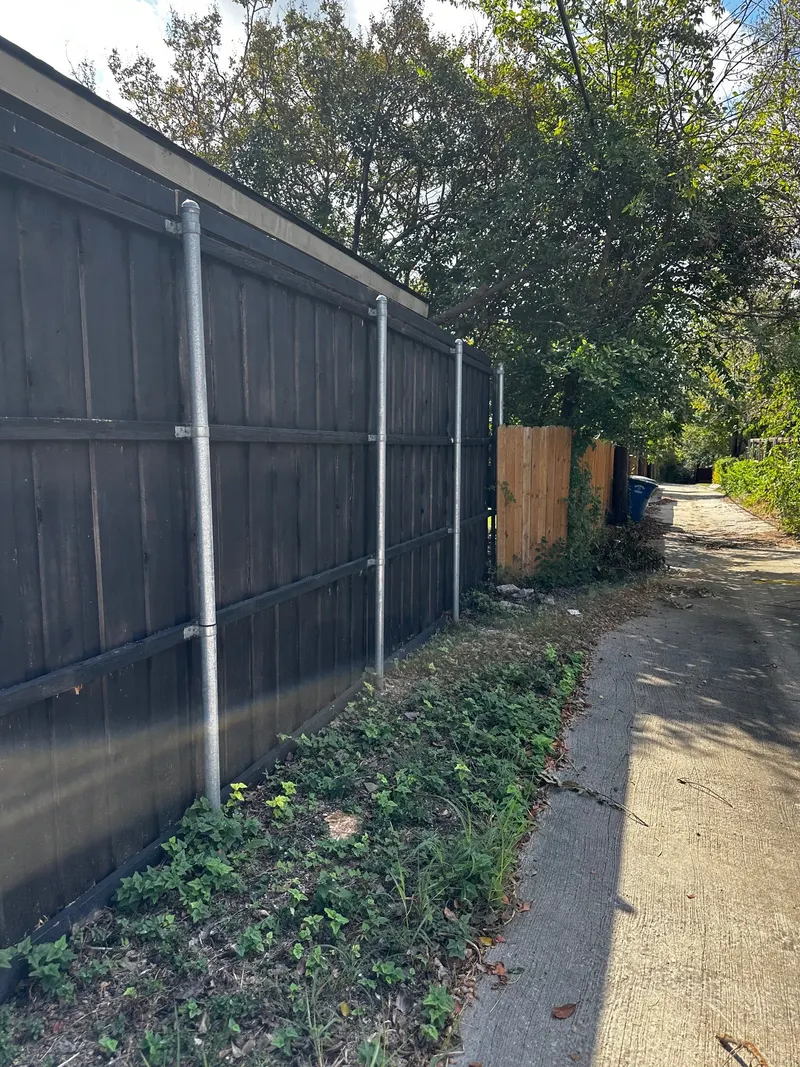
This is why Dallas asks for the utility's written authorization up front. It is also why design matters. Where an easement cannot be avoided, a fence can be laid out with a wide gate or bolt-on ornamental steel panels at the crossing, so crews can get through without cutting anything.
Often the better answer is to move the line. Setting the fence at the easement edge costs a strip of enclosed yard and removes the risk. We show both layouts on the estimate so you can choose.
Can I fence across a drainage easement?
Treat a drainage easement as off limits until the city says otherwise. Its job is to carry water, and a solid fence across it can dam a storm and push water into a neighbor's yard or your own slab.
Frisco's ordinance puts the principle plainly: a fence shall not adversely affect drainage or create debris build-up, and fences are not permitted in floodway areas shown on the FEMA flood maps. The Dallas checklist notes that designated floodplain areas may require additional approvals.
Where a fence is allowed near a drainage path, open iron or steel pickets let water and debris pass where solid cedar would not. Our guide to fences on slopes and drainage goes deeper on swales and creek crossings.
How close can a fence be to a utility box, a meter or a fire hydrant?
Close enough to look tidy, far enough that a worker can reach and open it. The exact clearance is set by the city and the utility that owns the equipment.
Frisco gives a number: an area three feet in radius around fire hydrants and fire hose connections must be kept free of fencing that could impede access, and a fence may not impede access to public utilities or metering devices. Dallas requires every fence to maintain firefighting access to the side and rear yards. For transformers and pedestals, the utility's own clearance applies, and it is often printed on the box.
In practice we jog the fence around ground boxes or add a small access gate, and we keep meters on the readable side where the utility requires it. On an alley line this is usually solved in the same layout as the driveway gate and the trash cart space.
How Park Cities Fence & Deck helps
Jack Johnson comes out himself, looks at your property and gives you a free written estimate with a timeline. Wood, iron and masonry are all built in-house, so the advice fits the property. Related services: wood fencing, iron / metal fencing. We work in Dallas and across Dallas.
Questions people ask next
How do I find the easements on my lot?
Look at your survey and the recorded plat. Easements are drawn as dashed lines with a label and a width, most often along the rear and side lines. Dallas lists a plat map among the documents for a fence permit and provides copies through its survey records office. If you have no survey, we can tell you who to call before the estimate.
Can I put a gate in my back fence onto the alley?
In most cities yes, with conditions. Plano requires sliding gates to be installed inside the fence line and not on the alley side, and no fence or gate may encroach on the city right of way. University Park requires a trash cart inset on new alley fences. We draw the gate, the cart space and the visibility clip on the permit plan.
Can a fence cross a creek, a swale or a drainage ditch?
Only with care, and sometimes not at all. Frisco does not permit fences in mapped floodway areas and says a fence may not adversely affect drainage. Dallas notes that floodplain areas may need additional approvals. Where a crossing is allowed, an open iron section that lets water and debris through is the usual answer, and an engineer may need to be involved.
How do I secure a back gate that opens to an alley?
Use a lockable latch on a walk gate, and an automated gate with a keypad or remote on a driveway opening. A solid cedar gate on a steel frame gives privacy from the alley and resists sagging. Our gate motors include safety photo-eyes and battery backup, so the gate still works when the power is out. Lighting at the gate helps as well.
How do I get privacy on a corner lot or beside an alley?
Build the tallest solid fence the city allows on the alley and side lines, and keep the visibility triangle at the corner clear. Cities require open sight lines where streets and alleys meet, so the fence is clipped or kept low there. Board-on-board cedar closes the gaps, and planting inside the fence adds height where the rules stop.
Sources and further reading
- Texas811: Homeowner and DIYer information
- Railroad Commission of Texas: Pipeline Damage Prevention Program
- City of Dallas: Fence Permit Checklist and Minimum Required Documents (PDF)
- City of Frisco Code of Ordinances, Chapter 18, Article IX: Fences
General information, not legal advice. Rules change: we confirm the current requirements with your city or HOA before we build.