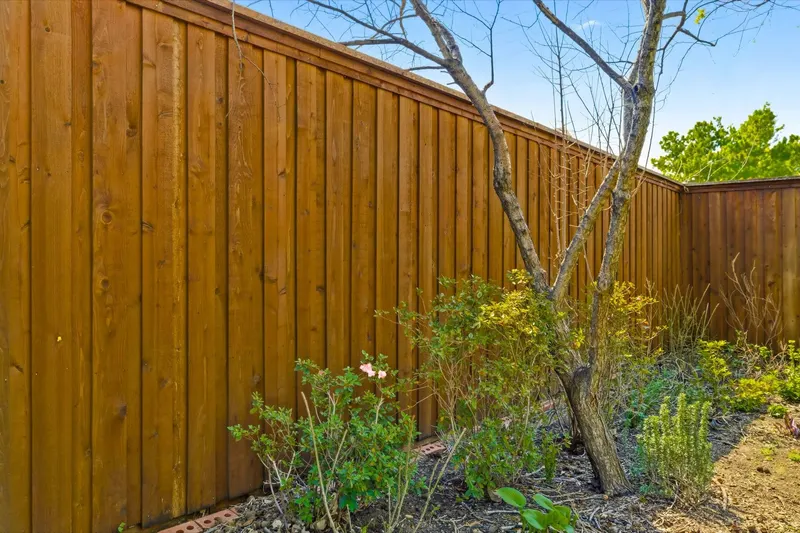
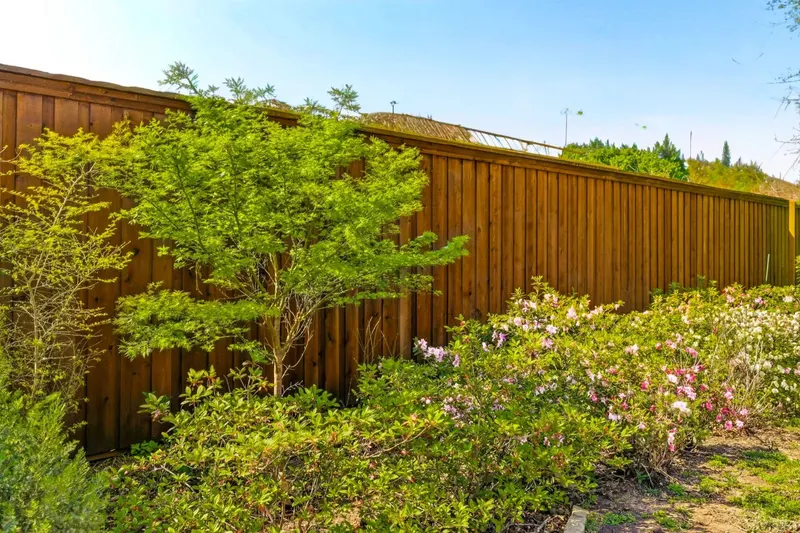
Maintenance · Dallas, Texas
When to Powerwash and Restain Your Fence
The water-bead test, the 3–4 year North Texas cycle, and why a wash-and-restain is the best-value fence service there is.
 By Jack Johnson, owner of Park Cities Fence & Deck · 7 min read · 1,672 words
In short
Restain your cedar fence when water no longer beads on the surface, in North Texas that comes around every 3–4 years. Proper powerwashing uses moderate pressure so it cleans without furring the wood, the fence dries fully before stain goes on, and the whole service costs a fraction of replacement while resetting UV and moisture damage.
In this guide
- The water-bead test: your fence tells you when
- Why the cycle is 3–4 years in North Texas
- What proper powerwashing looks like
- Drying and prep: the step nobody wants to wait for
- Choosing the stain: transparency is the real decision
- What skipping the cycle actually costs
- Can a gray fence still be saved?
Need this done? See powerwash & restain.
There is a simple test that tells you exactly where your fence stands: spray it with the hose. If water beads and rolls off, the stain is still working. If the wood darkens and drinks it in, the finish is gone, and from that day forward, Texas sun and rain are working directly on bare cedar. In North Texas that moment arrives roughly every 3–4 years.
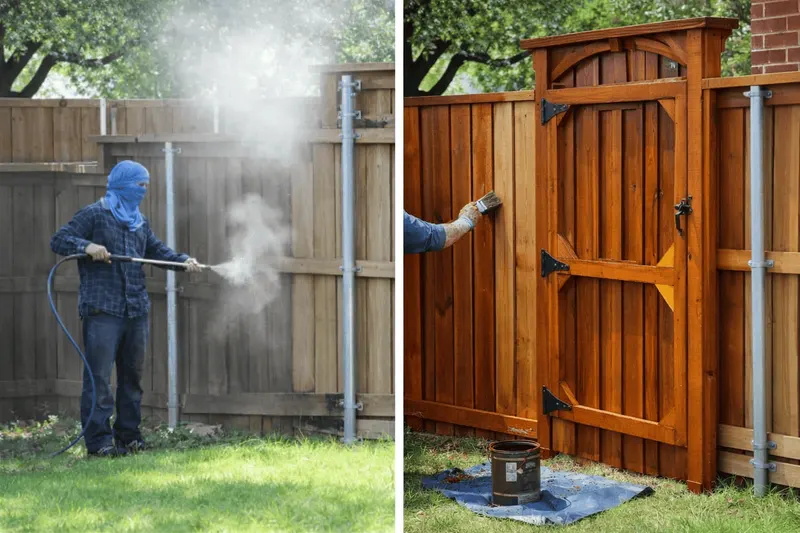
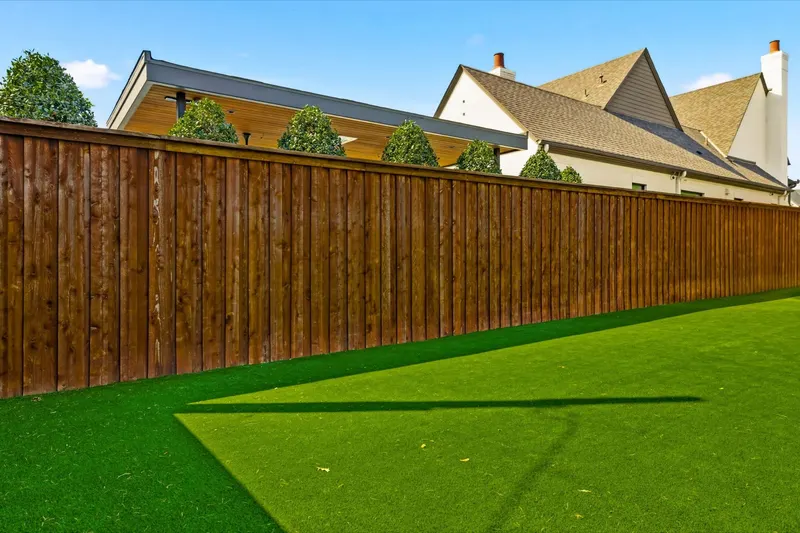
The photo on this article is one fence, halfway through a wash, weathered gray on one side of the line, warm cedar on the other. That color was there the whole time. A proper powerwash and restain is the least expensive, highest-return service in the fence business, and this guide covers when to do it, what doing it right looks like, and what it costs you to skip.
The water-bead test: your fence tells you when
Stain protects wood two ways: pigment blocks UV, and the sealer repels water. Both wear out invisibly, a fence can look acceptable from the porch long after the protection is gone. The bead test cuts through the guesswork. Splash water on a few sections and watch: beading means sealed, soaking means exposed.
Test more than one spot, because a fence does not weather evenly. South- and west-facing runs take far more UV than shaded north sides, and the top foot of the pickets, plus the horizontal cap on a board-on-board fence, weathers fastest of all. It is common for one blistering-hot run to need attention a year before the rest.
Other signals worth reading: the color going flat and silvery, grain starting to raise where the sun hits hardest, and dark gray streaking after rain. Any of those alongside a failed bead test means the clock is running.
Why the cycle is 3–4 years in North Texas
Our climate is a stress test built for wood. Texas UV is intense most of the year and breaks down both the stain’s pigments and the lignin that binds surface wood fibers, that breakdown is what turns unprotected cedar gray. Then the weather whipsaws: spring storms soak the fence, August bakes it, and each wet-dry cycle works the grain open a little more.
Quality stain applied to properly prepped wood stands up to that for around 3–4 years here, less on a west-facing run in full sun, sometimes more on a shaded line. Coastal or northern climates get longer cycles; this is simply the tax North Texas charges for all our sunshine.
The cycle is worth respecting because it is what makes the 15–20 year cedar lifespan real. A fence maintained on schedule spends its whole life sealed; a fence stained once at installation and never again spends most of its life bare. Same materials, very different retirement dates, a difference we cover in depth in our cedar lifespan guide.
What proper powerwashing looks like
Powerwashing cedar is a moderate-pressure job, and this is where DIY and low-bid work go wrong most often. Too much pressure, or the wrong tip held too close, furs the surface, it tears the softened spring-wood fibers and leaves the boards fuzzy. Furred wood looks terrible, feels worse, and takes stain unevenly.
Done right, the wash uses moderate pressure with the correct fan tips, working with the grain at a consistent distance, letting the water and technique lift the gray oxidized layer rather than blasting it off. The transformation is dramatic, the gray strips away and the cedar underneath comes back, but the surface stays intact and ready to accept stain.
Washing is also the inspection. With the grime off, every soft picket, cracked rail and leaning post shows itself plainly. Small fixes belong before stain, not after, which is why our wash crews flag repair items as they go, replacing a handful of pickets and re-securing rails while everything is open costs little and makes the finished fence look new.
Drying and prep: the step nobody wants to wait for
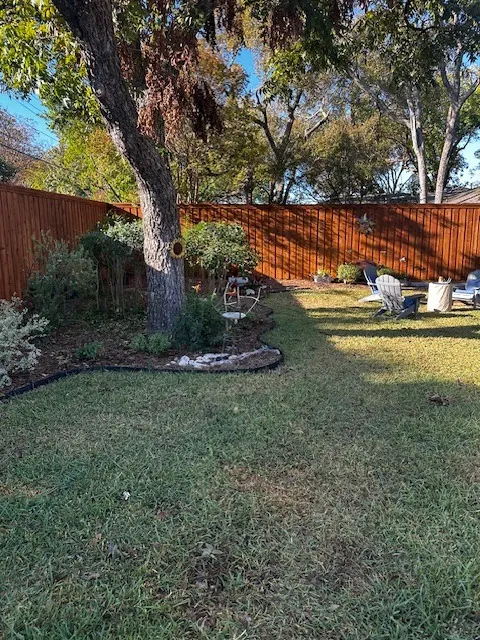
After washing, the fence must dry fully before any stain goes on. Stain applied over damp wood cannot penetrate properly, moisture in the grain blocks it, and the finish sits shallow, cures poorly and fails early. Patience here is the difference between a finish that lasts its full cycle and one that peels in a year.
Drying time depends on weather: hot dry stretches move fast, humid or showery weeks move slower, and shaded fence lines lag sunny ones. We schedule the stain visit around actual conditions rather than a fixed calendar, because rushing this step quietly undoes the whole job.
Good prep also means protecting what is around the fence, plants covered or rinsed, stone and adjacent structures masked where needed, and choosing a weather window without rain on the heels of application. None of it is glamorous. All of it shows in year three.
Choosing the stain: transparency is the real decision
Stain choices sort by how much pigment they carry, and the trade is simple: more pigment means more UV protection and less visible grain. Semi-transparent stains are the North Texas sweet spot, enough pigment to defend the wood, enough transparency to keep cedar looking like cedar. They are what you see on most of the handsome fence lines in the Park Cities.
Transparent finishes show maximum grain but give up UV protection and need more frequent renewal. Solid stains cover like paint, hide the grain, and can make sense on older fences whose weathered boards benefit from uniform color. Whatever the choice, sticking with a consistent color family across cycles keeps the finish renewable, each new coat refreshes rather than fights the last one.
Color deserves a minute of thought against the house, not the swatch card. Warm cedar tones flatter brick; deeper browns pair with stone and modern exteriors. Stain looks different on real wood in real sun than on paper, which is why we sample on your actual fence before committing to a full run.
What skipping the cycle actually costs
Nothing dramatic happens the year the stain fails, which is exactly the trap. Bare cedar grays in a season, and gray is only cosmetic at first. But unsealed wood drinks every rain, and the wet-dry cycling starts opening checks in the pickets, working fasteners loose and cupping boards. UV keeps eating the surface fibers the whole time.
Left long enough, maintenance stops being an option. Pickets crack past the point stain can help, rails sag, and what would have been a wash-and-restain becomes picket replacement, then section replacement, then a conversation about the whole line, the decision framework in our repair-or-replace guide. A wash-and-restain costs a fraction of replacement; it is the cheapest insurance in the yard.
The math never changes: every restain cycle you keep resets UV and moisture damage and pushes the fence toward the far end of its 15–20 year potential. Every skipped cycle donates a few of those years back.
Can a gray fence still be saved?
Usually, yes, and more often than owners expect. Gray is oxidation, not rot. If the boards are structurally sound and the posts are solid, washing strips the weathered surface and the cedar underneath comes back rich and warm, exactly like the half-washed fence in the photo above. Fences that have been bare for years routinely restore beautifully.
The honest limits: pickets that have cracked through, wood gone soft and punky, or posts heaving out of line are past what stain fixes. That is a repair conversation, sometimes a replacement one, and we will tell you which plainly. A free quote, usually within 24 hours, settles it: we test the wood, check the posts, and tell you whether your fence needs a wash, a rescue, or a rebuild.
How Park Cities Fence & Deck helps
Jack Johnson comes out himself, looks at your property and gives you a free written estimate with a timeline. Wood, iron and masonry are all built in-house, so the advice fits the property. Related services: powerwash & restain, fence rehab / repair. We work in Dallas and Preston Hollow and across Dallas.
Questions people ask next
How often should I restain my fence in North Texas?
Every 3–4 years is the realistic cycle here, our UV and wet-dry weather swings wear out stain faster than milder climates do. Sun-blasted west-facing runs may need attention sooner, shaded lines a little later. The water-bead test tells you where you are: when water soaks in instead of beading, it is time.
Will powerwashing damage my cedar fence?
Bad powerwashing will, excessive pressure or the wrong tip furs the surface, tearing fibers and leaving boards fuzzy and blotchy under stain. Proper washing uses moderate pressure and correct fan tips, working with the grain, which lifts the gray oxidized layer while leaving sound wood intact and ready to take stain evenly.
How long after powerwashing can the fence be stained?
Only after the wood has dried fully, stain over damp cedar sits shallow, cures poorly and fails early. How long that takes depends on weather: hot dry spells are quick, humid stretches and shaded lines take longer. We schedule staining around actual conditions rather than a fixed number of days.
Is it worth restaining an old gray fence, or should I replace it?
If the wood is sound and the posts are solid, restoring is usually the smart money, gray is surface oxidation, and washing brings the cedar back. Replacement enters the conversation when pickets have cracked through, wood has gone soft, or posts are failing. We assess honestly at the quote and tell you which side of the line you are on.
What is the best stain type for a Texas fence?
Semi-transparent stain is the workhorse choice: enough pigment to block our punishing UV, enough clarity to keep the cedar grain visible. Transparent finishes trade protection for looks; solid stains trade looks for coverage and suit older, weathered boards. Staying in one color family keeps every future recoat easy.